Originally published on orature.africa
A new article explores the sophisticated monetary systems used in pre-colonial Nigeria. Long before modern currencies, societies across the region used cowrie shells, manillas, iron bars, and cloth to structure trade and economic life.
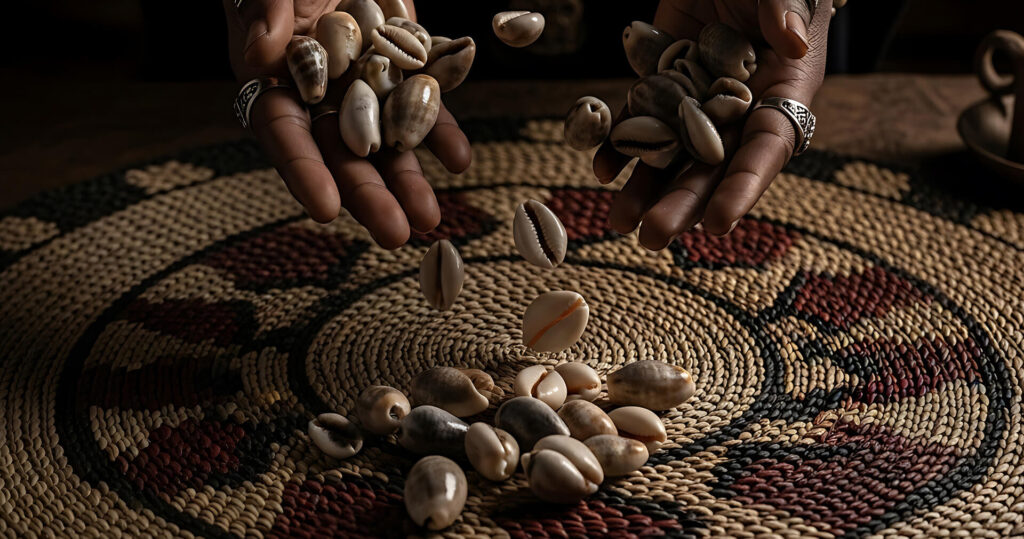
Cowries became the most common currency for everyday exchange. Durable, portable, and divisible, they were widely accepted among groups such as the Yoruba people, Hausa people, and Edo people. These systems required advanced counting methods and even included quality grading based on the shells’ size, shine, and condition.
The article shows how this trusted monetary framework supported trade, taxation, and social exchange, linking markets across powerful states such as the Kingdom of Benin and the Oyo Empire.
