Originally published on orature.africa
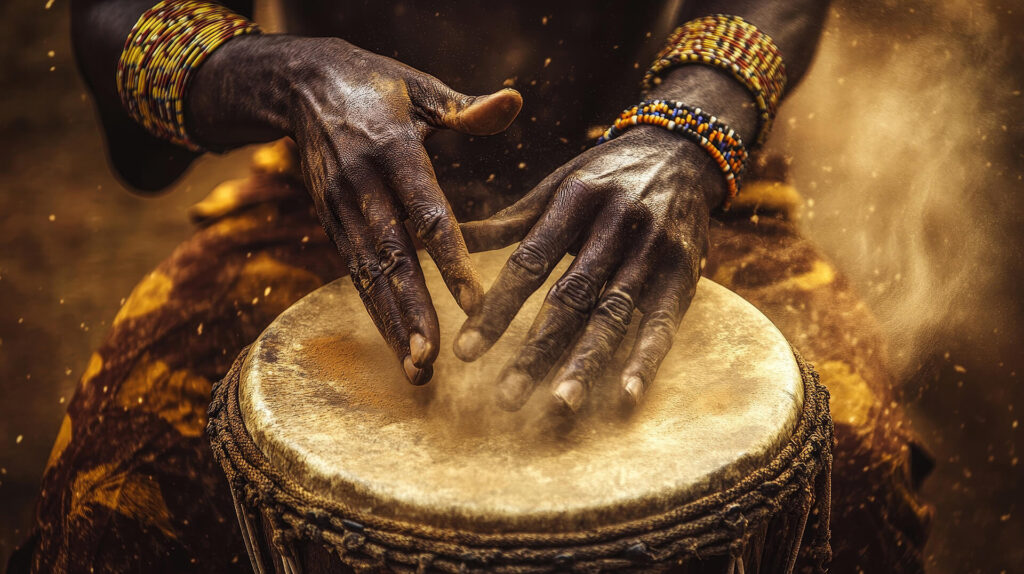
In this article, Oriiz U. Onuwaje explores rhythm as a democratic system of memory—one that preserves history beyond books, institutions, or written records. Across Africa, rhythm has long functioned as an archive, a social bond, and a form of governance, carrying knowledge through repetition, movement, and sound.
Rather than treating rhythm as entertainment, the piece reframes it as a living technology that allows communities to remember, share, and protect what matters. From oral traditions to contemporary Nigeria, rhythm remains one of the most accessible and enduring ways culture survives and stays present in everyday life.
