Rhythm as Memory: How Sound Keeps History Alive

Originally published on orature.africa

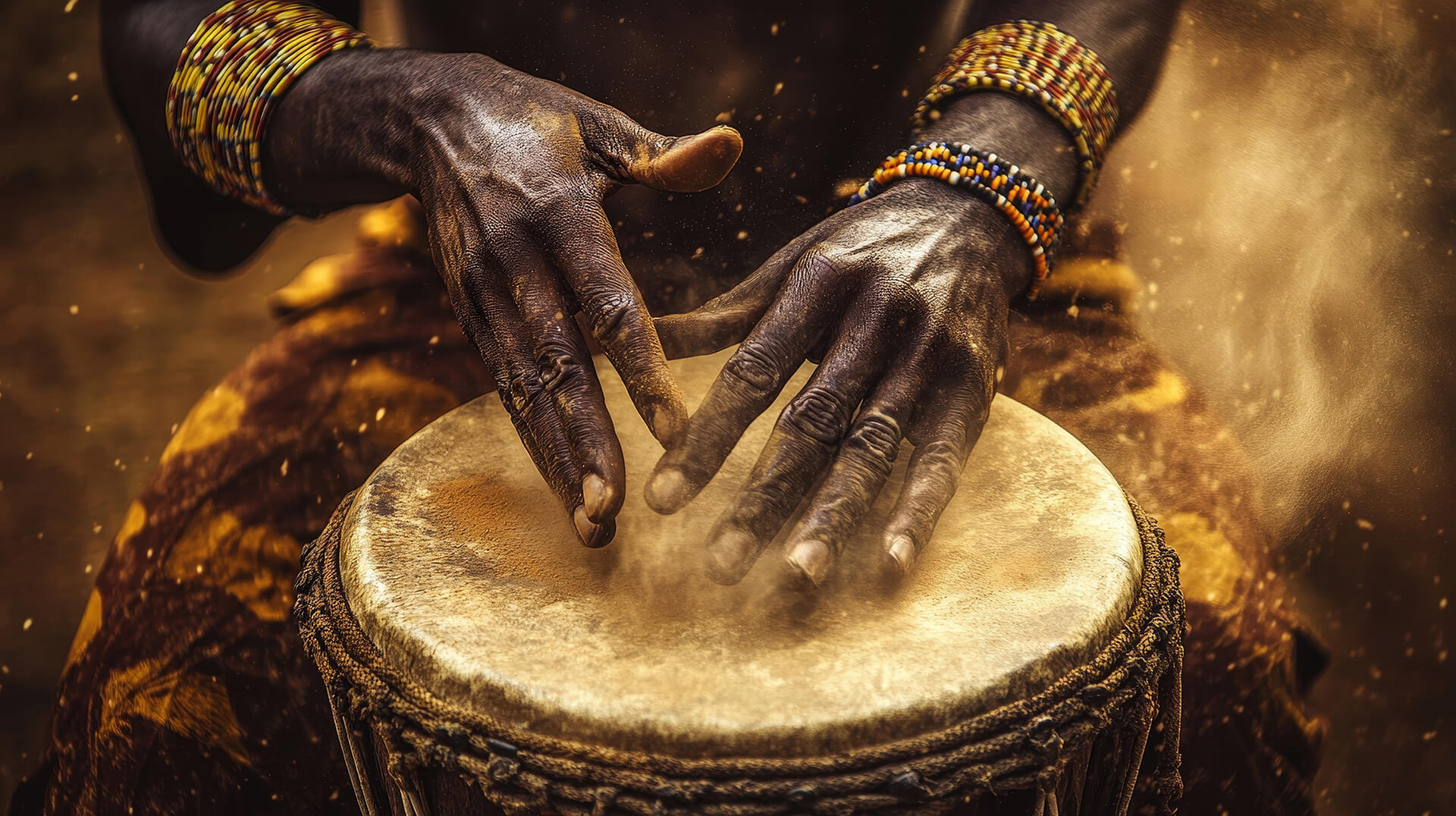
In this article, Oriiz U. Onuwaje explores rhythm as a democratic system of memory—one that preserves history beyond books, institutions, or written records. Across Africa, rhythm has long functioned as an archive, a social bond, and a form of governance, carrying knowledge through repetition, movement, and sound.

Rather than treating rhythm as entertainment, the piece reframes it as a living technology that allows communities to remember, share, and protect what matters. From oral traditions to contemporary Nigeria, rhythm remains one of the most accessible and enduring ways culture survives and stays present in everyday life.

Read or download the full essay on orature.africa

When Rhythm Becomes Record: Dance as Africa’s Living Archive

Originally published on orature.africa

In this essay, Oriiz U. Onuwaje explores rhythm as evidence of history rather than entertainment. Long before museums, libraries, or written records, African societies preserved memory through repeated movement, sound, and pattern. Dance and rhythm carried identity, order, and intelligence—kept alive not in buildings, but in bodies.

As African rhythms now resonate globally, the article reframes dance as a living archive: a system of memory that endured displacement, silence, and change. What the world hears today is not a trend, but tradition still in motion.

Read or download the full essay on orature.africa

African Sound as a Living Archive

By Oriiz U Onuwaje
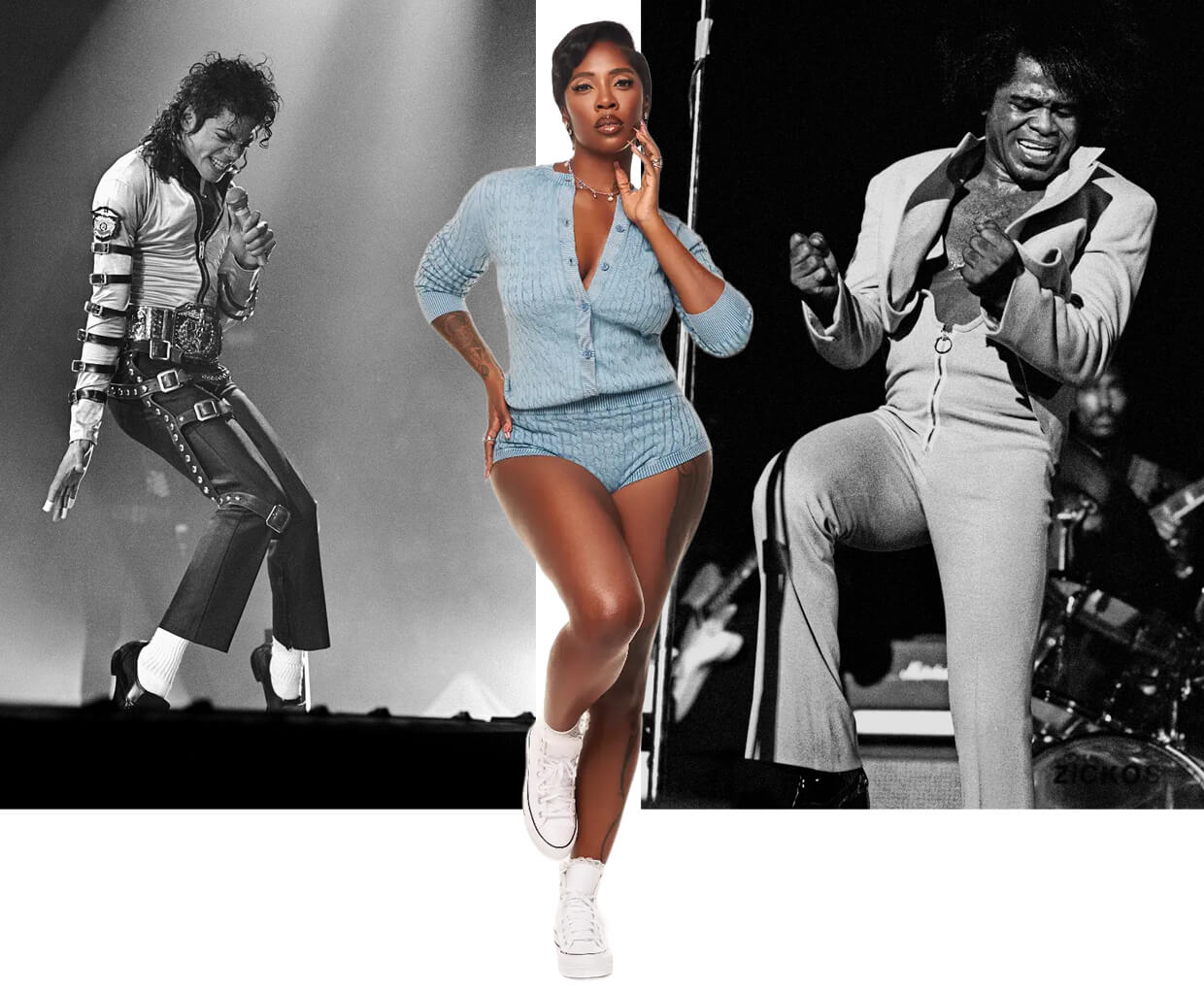
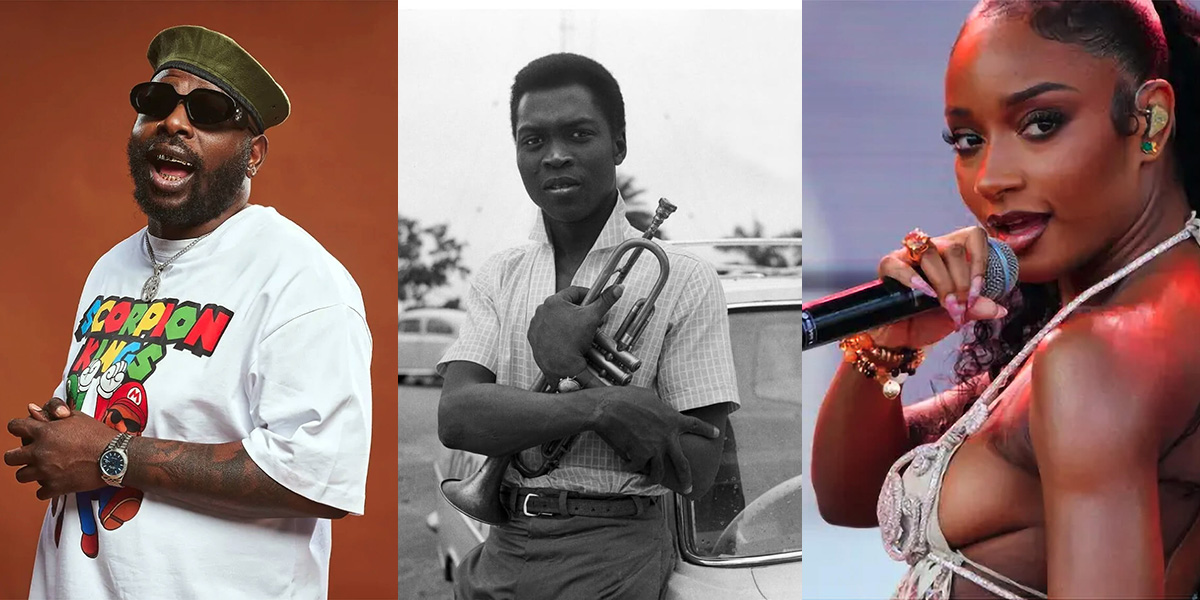
Oriiz writes that our sound is a tool for ‘community connection’ that endured silence to become a global roar. When you hear @temsbaby’s soul or @ayrastarr’s confidence, you are hearing centuries of resilience repackaged for the future.

Introduction: The Architecture of Memory

Sound is Africa’s most enduring archive. While written histories can be burned, altered, colonised, or lost in the fires of conquest, sound, vibration, rhythm, and oral tradition remain etched in a people’s collective memory. It is a “spiritual conduit,” a way of saying “I am here” when the world tries to render you invisible.

Read or download the full essay on orature.africa

Book Reviews: Africa’s Art as Continuous Intelligence

A new critical work is reigniting long-standing debates about African art, intellect, and historical continuity. In The Harbinger (Crimson Fusion, Lagos; 2025), cultural strategist and curator Oriiz U. Onuwaje confronts the persistent Western framing of African creativity as isolated brilliance rather than the result of sustained civilisational intelligence.

From the Benin bronzes and Nok terracottas to Ifẹ portraiture, Igbo-Ukwu metalwork, Ekpo masks, Niger Delta wood carvings, and even the 8,000-year-old Dufuna canoe, African artistic production has often been admired without being fully understood. These works are frequently treated as anomalies—astonishing objects stripped of ancestry, context, and continuity.

The Harbinger, the opening volume of a larger project that will culminate in A Window into the Soul of a People: 8000 Years of Art in Nigeria, argues against this fragmented reading of African history. Onuwaje asks difficult questions: How did African genius come to be seen as accidental? Why is African intellect perceived as discontinuous? And what has been lost when a people’s memory is broken into museum fragments?

In the book’s prologue, Onuwaje notes that Africa’s encounter with the West interrupted rather than advanced its historical self-understanding. For over a century, African art has been displayed as disconnected marvels—an Ifẹ head here, a Benin bronze there—often in institutions far removed from the cultural systems that produced them. The result is admiration without memory.

The Harbinger seeks to restore that memory. By repositioning African art within a long, unbroken intellectual tradition, the work reframes these objects not as miracles without origin, but as evidence of deep cultural continuity. In doing so, it echoes Chinua Achebe’s famous rejection of narratives that deny Africa’s humanity and history, asserting instead that the continent’s past has always been alive, coherent, and self-aware.

This publication marks an important intervention in how African art history is written, remembered, and claimed—particularly by Africans themselves. It is both a challenge to inherited narratives and a call to repair cultural dignity through historical clarity.

Read the full material on TheArtHub