Clay and Culture: The Meaning of Pottery in Nigeria

Originally published on orature.africa

A new article explores the cultural depth of pottery in Nigeria, revealing how clay objects carry meaning far beyond their everyday use. From cooking vessels to ritual containers, pottery has long been embedded in daily life, quietly preserving memory, identity, and tradition.

The piece connects this living practice to historic traditions such as Nok and Ife terracottas, showing how clay has been used across centuries to express structure, purpose, and cultural meaning. More than simple objects, these forms reflect a continuous relationship between art, function, and society.
Read or download the full essay on orature.africa

Cowrie Shells and Trade: The Monetary System of Pre-Colonial Nigeria

Originally published on orature.africa

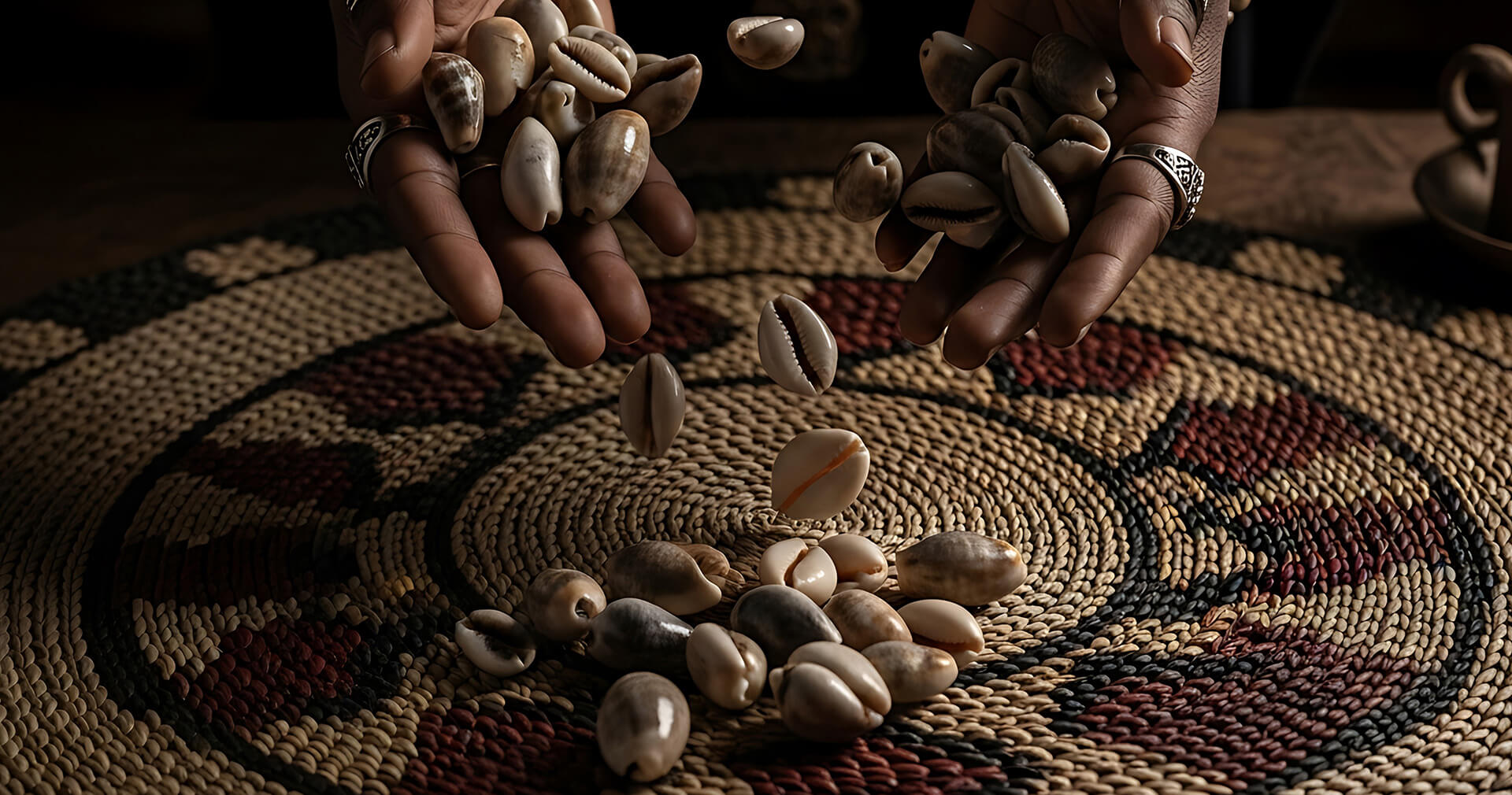
A new article explores the sophisticated monetary systems used in pre-colonial Nigeria. Long before modern currencies, societies across the region used cowrie shells, manillas, iron bars, and cloth to structure trade and economic life.

Cowries became the most common currency for everyday exchange. Durable, portable, and divisible, they were widely accepted among groups such as the Yoruba people, Hausa people, and Edo people. These systems required advanced counting methods and even included quality grading based on the shells’ size, shine, and condition.

The article shows how this trusted monetary framework supported trade, taxation, and social exchange, linking markets across powerful states such as the Kingdom of Benin and the Oyo Empire.

Read or download the full essay on orature.africa

The Lost-Wax Tradition: West Africa’s Ancient Metal Technology

Originally published on orature.africa

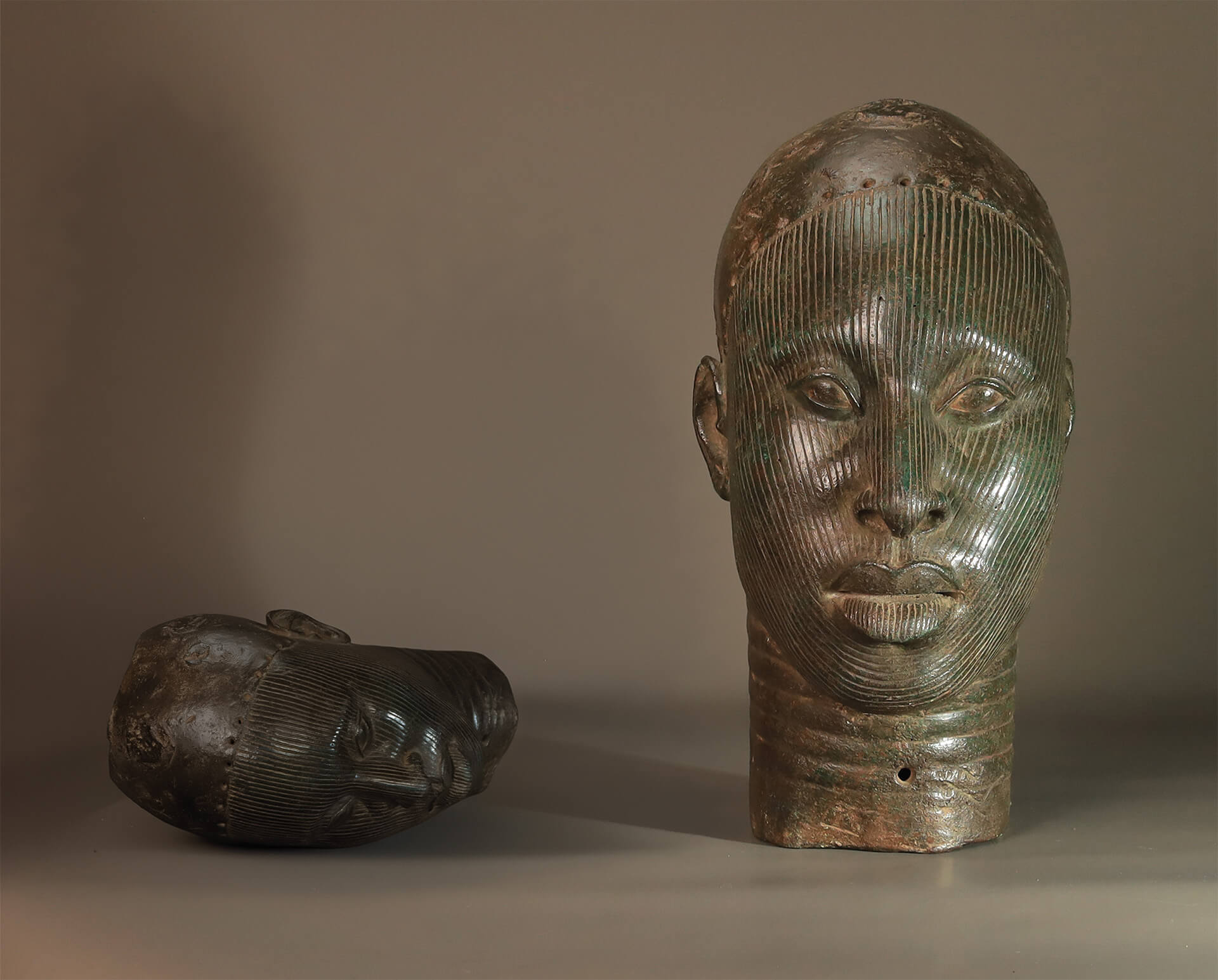
A new article explores the remarkable lost-wax casting tradition that flourished across West Africa for over a millennium. More than a technical process, this method combined artistic vision with engineering precision to produce intricate metal works that preserved cultural memory.

From the glow of workshop fires to the guidance of master metalworkers, these practices passed knowledge and identity from one generation to the next. The essay shows how lost-wax casting functioned as a kind of three-dimensional archive, storing meaning, authority, and history in bronze and other metals.

It also highlights how these ancient techniques continue to influence modern craftsmanship and manufacturing today.

Read or download the full essay on orature.africa

The Benin Earthworks: Africa’s Monumental Engineering Legacy

Originally published on orature.africa

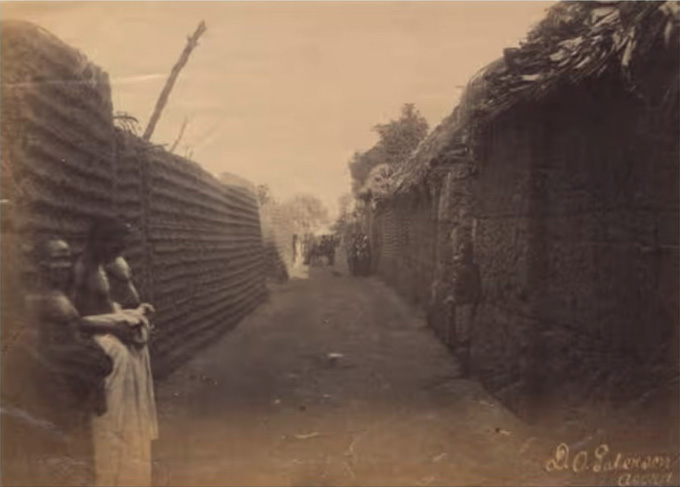
A new article explores the extraordinary earthworks of the ancient Benin Kingdom, one of the greatest feats of pre-modern civil engineering. Stretching for about 16,000 kilometres, this vast system of walls and ditches enclosed a territory larger than many modern countries.

Built centuries before the mechanical age, the Benin earthworks required immense coordination and labour, moving more earth than the construction of the Great Pyramid of Giza. Beyond defence, the system regulated trade, controlled movement, managed drainage, and symbolised the kingdom’s political authority.

The essay reexamines this monumental achievement, highlighting how pre-colonial African societies developed sophisticated infrastructure, urban planning, and engineering knowledge long before modern technologies.

Read or download the full essay on orature.africa

Igbo Ukwu Bronzes and Swiss Watches: Where Art Meets Engineering

Originally published on orature.africa

A new article explores the surprising connection between ninth-century Igbo Ukwu bronzes and modern Swiss watches. Though separated by over a thousand years, both reflect the powerful union of artistic vision and technical mastery.

The discovery of the Igbo Ukwu bronzes in Nigeria revealed objects of extraordinary complexity, created using advanced lost-wax casting techniques. Like fine watchmaking, these works demonstrate precision, innovation, and deep cultural meaning.

This essay highlights how human creativity has long combined art and engineering, showing that the drive for beauty, precision, and technical excellence transcends time and place.

Read or download the full essay on orature.africa