When Rhythm Becomes Record: Dance as Africa’s Living Archive

Originally published on orature.africa

In this essay, Oriiz U. Onuwaje explores rhythm as evidence of history rather than entertainment. Long before museums, libraries, or written records, African societies preserved memory through repeated movement, sound, and pattern. Dance and rhythm carried identity, order, and intelligence—kept alive not in buildings, but in bodies.

As African rhythms now resonate globally, the article reframes dance as a living archive: a system of memory that endured displacement, silence, and change. What the world hears today is not a trend, but tradition still in motion.

Read or download the full essay on orature.africa

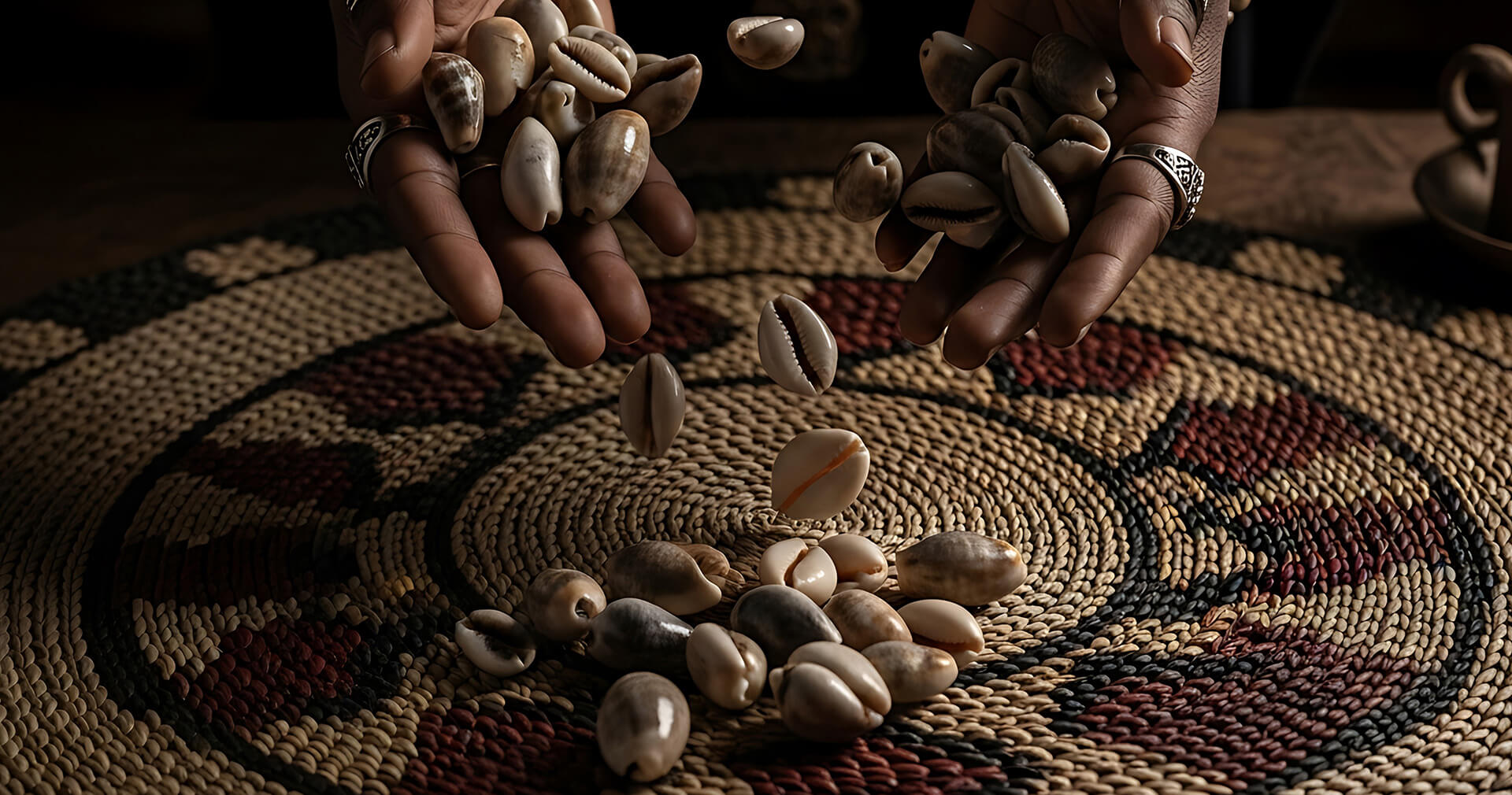
African Sound as a Living Archive

By Oriiz U Onuwaje
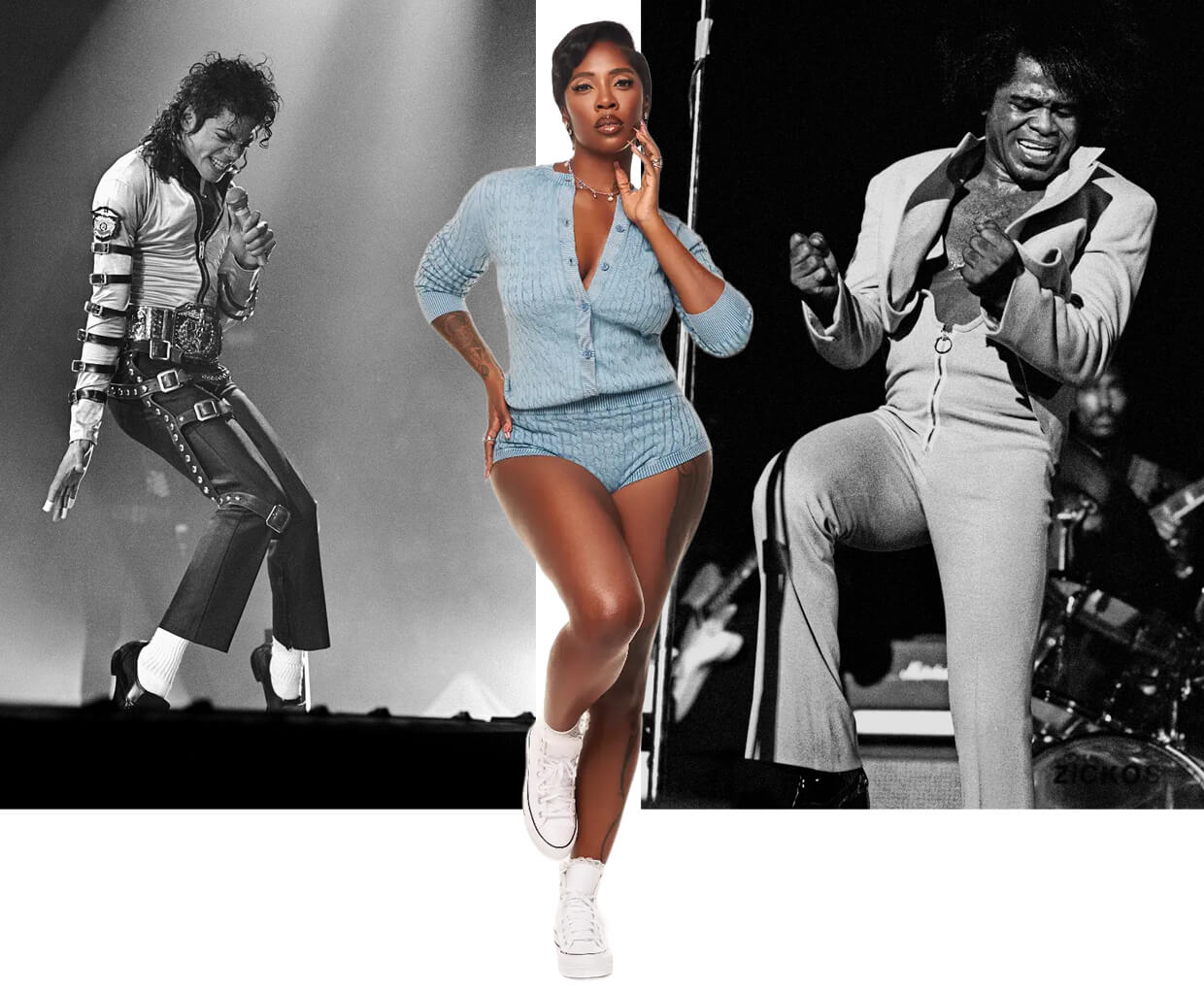
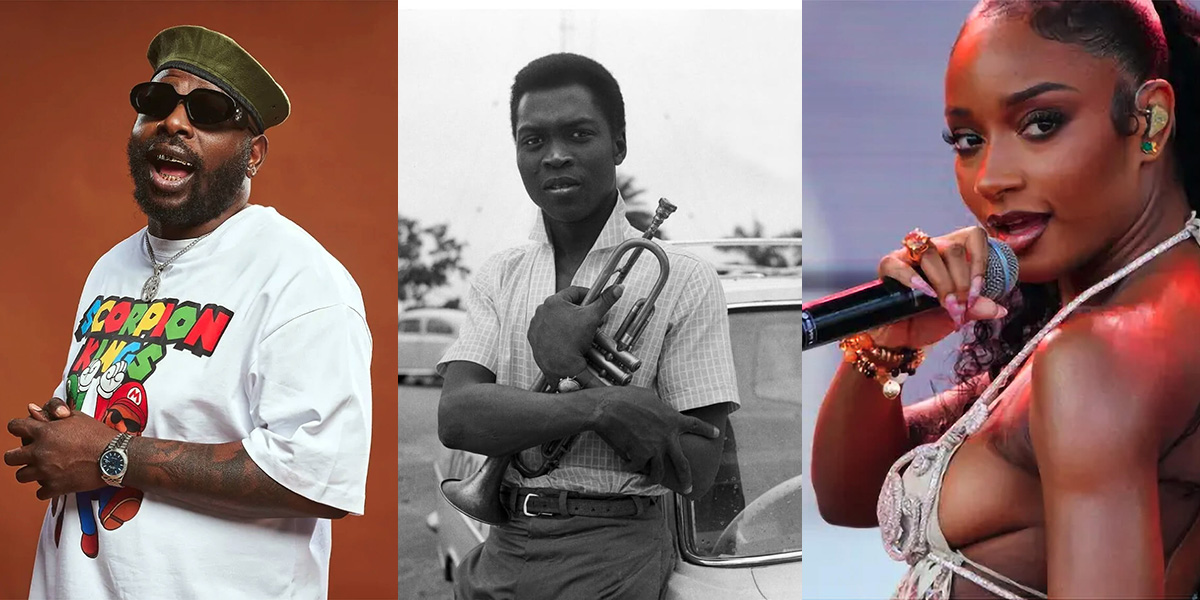
Oriiz writes that our sound is a tool for ‘community connection’ that endured silence to become a global roar. When you hear @temsbaby’s soul or @ayrastarr’s confidence, you are hearing centuries of resilience repackaged for the future.

Introduction: The Architecture of Memory

Sound is Africa’s most enduring archive. While written histories can be burned, altered, colonised, or lost in the fires of conquest, sound, vibration, rhythm, and oral tradition remain etched in a people’s collective memory. It is a “spiritual conduit,” a way of saying “I am here” when the world tries to render you invisible.

Read or download the full essay on orature.africa

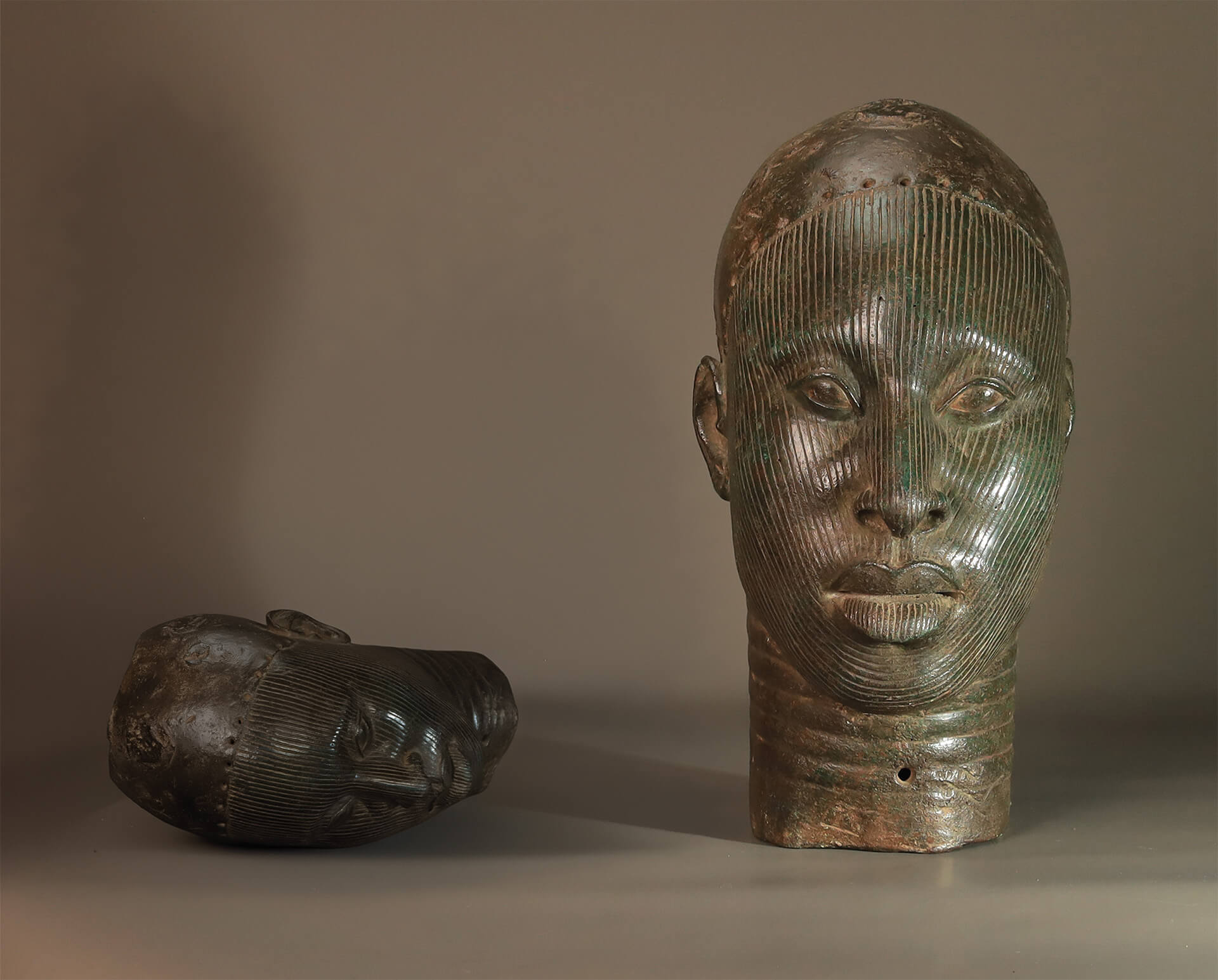
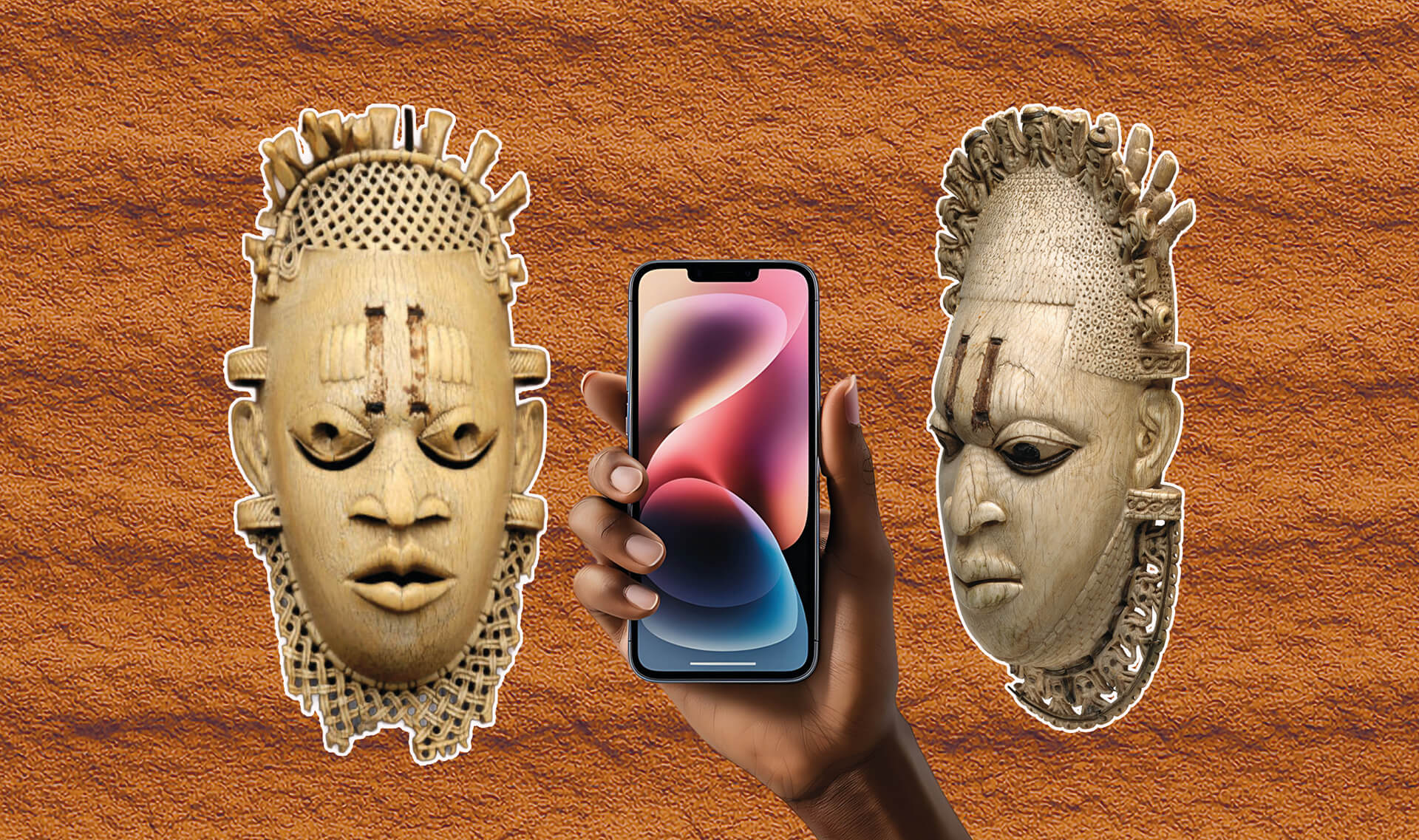
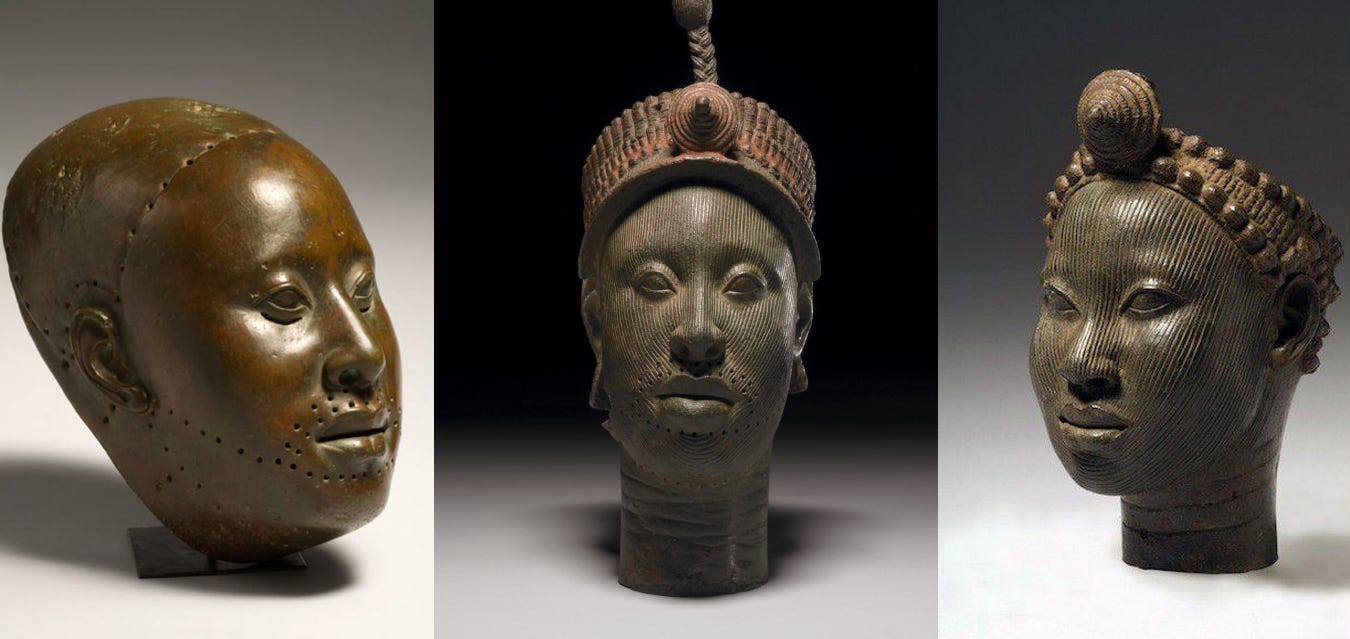
Ifè Portraits and Artificial Intelligence

What does it mean to capture the likeness of a soul, whether using sacred earth or lines of code?

Oriiz looks at how capturing likeness has always been a political act, from the ritual workshops of ancient Ifẹ to today’s AI systems that shape our identities.

Form is never neutral. A thousand years ago in Ifẹ — Nigeria, artists sculpted faces in bronze and terracotta with such skill that early European visitors doubted Africans could have made them. These works were more than just effigies; they declared existence. They showed that identity could be portrayed with dignity, accuracy, and real presence. The artists captured not only the shape of a face, but also the essence of a person…

Read or download the full essay on orature.africa