
Before Computers: The Digital Logic of African Weaving

Originally published on orature.africa

n this thought-provoking essay, Oriiz U. Onuwaje challenges the idea that technology began with silicon chips and screens. He reframes African strip-weaving traditions—such as Aso Oke, Akwete, and Kente—as early forms of computational design.

Long before modern computers, West African weavers mastered logic, repetition, grids, and binary-like choices on the loom. Each “over” and “under” movement functioned like source code, turning textiles into living algorithms that carried identity, memory, and meaning. The article reveals how weaving was not merely decorative craft, but a sophisticated system of information storage and communication—centuries before the digital age.
Read or download the full essay on orature.africa

From Ivory to Silicon: How Design Carries Power

Originally published on orature.africa

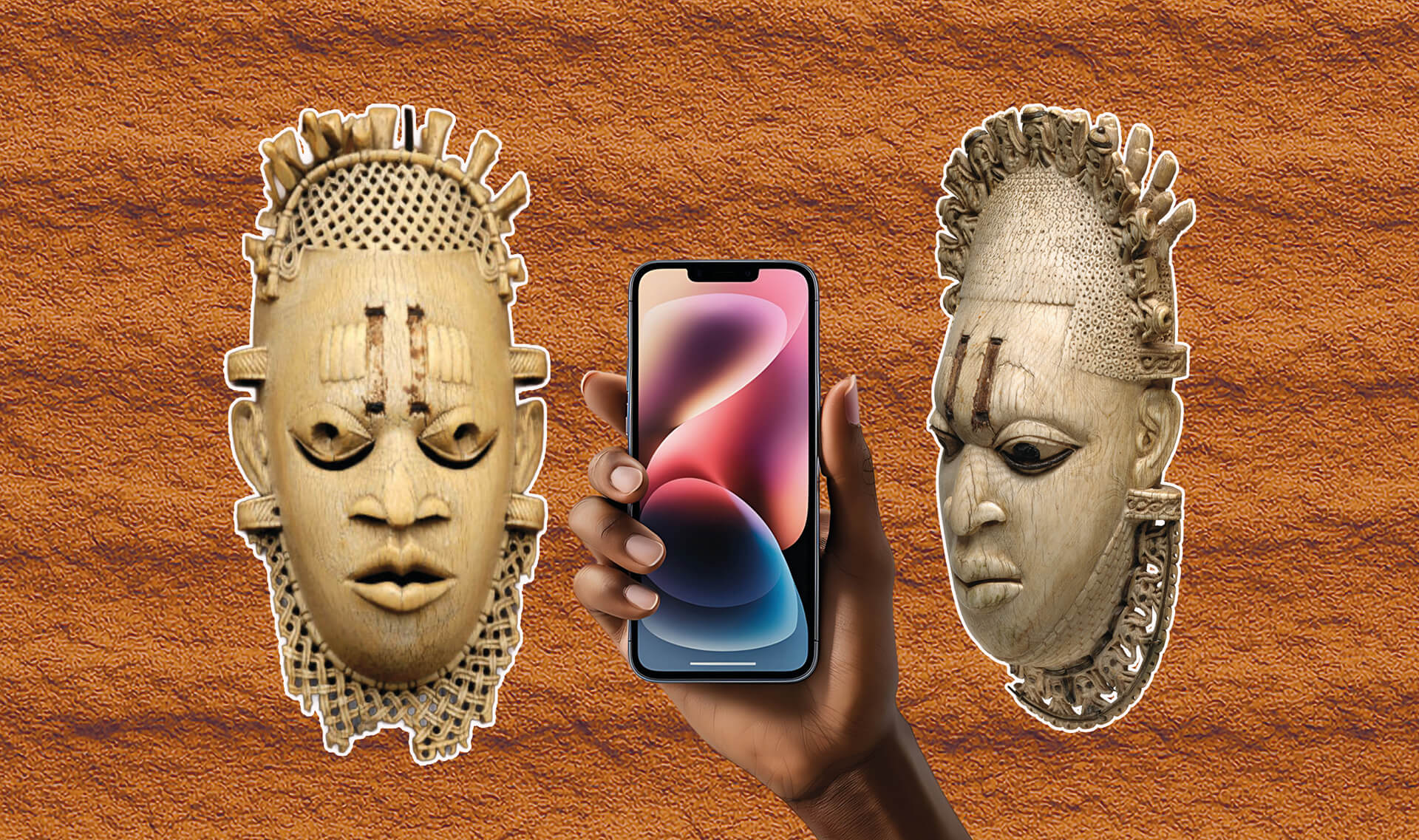
In this article, Oriiz U. Onuwaje argues that design has always been more than decoration—it is a technology of power, memory, and identity. From the royal ivory of sixteenth-century Benin to today’s glass and silicon, designers have shaped materials to make authority visible, organise meaning, and connect past to present.

Focusing on the iconic Queen Idia ivory masks of the Benin Kingdom, the piece reveals how these objects were not merely ceremonial but deeply embedded in governance and political strategy. Five centuries later, the same design intelligence still guides modern innovation, proving that time changes materials, but not the thinking behind them.

Read or download the full essay on orature.africa

How African Societies Engineered Memory

Originally published on orature.africa

In this piece, Oriiz U. Onuwaje explores how African societies intentionally embedded memory into their material world. What we now call “art” was originally a practical system for preserving history, legitimising authority, and maintaining identity.

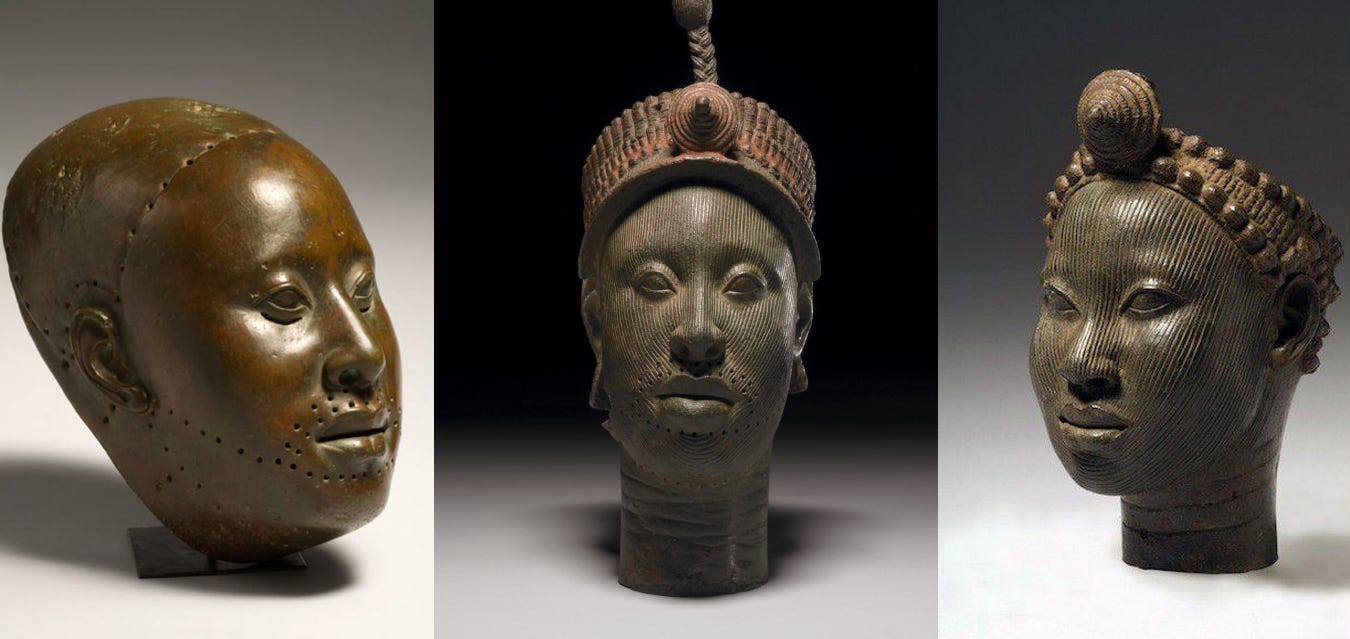
Through bronze, ivory, and wood, communities transformed memory into something durable and visible—woven into governance, ritual, and daily life. Carving and casting were not just aesthetic acts but forms of record-keeping, ensuring continuity across generations and making history something that could be seen, touched, and lived.

Read or download the full essay on orature.africa