Art in Nigeria: Documentation determines who controls value

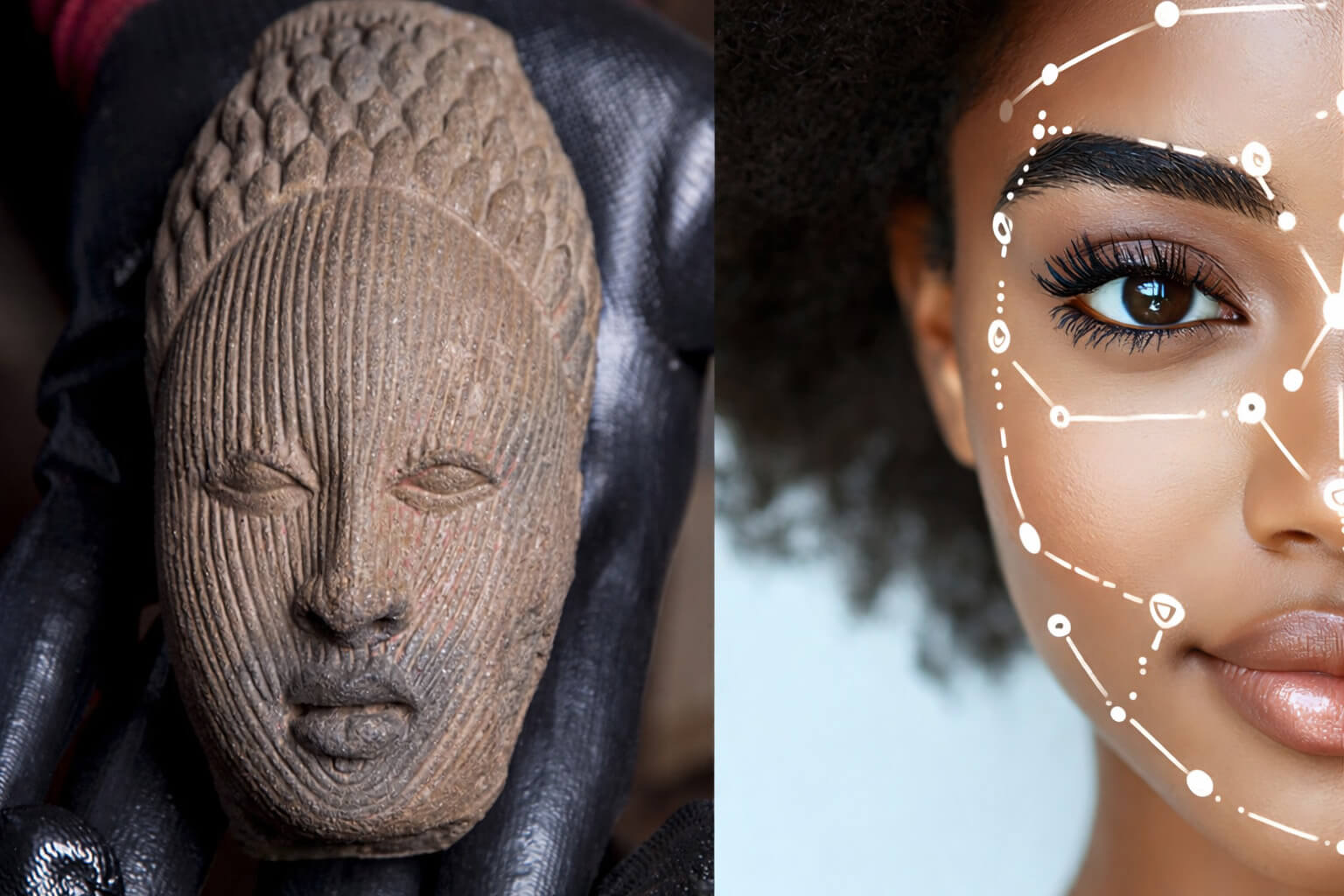
Nigeria’s artistic legacy has never lacked brilliance — from the Dufuna Canoe to Nok, from Ife to Igbo-Ukwu to Benin, our creations sit in the world’s greatest museums, catalogued and insured within documentation systems more robust than our own. The real crisis has never been recognition; it has been documentation. While Nigerian art is celebrated, its histories, lineages, and creators often remain fragmented, scattered, or lost entirely. The story of Gani Odutokun — influential painter and mentor whose students are globally archived while his own papers remain dispersed — captures the cost of this gap. When documentation fails, legacy breaks.

Read the full material on TheGuardian

A Window into the Soul of A People: 8000 years of Art in Nigeria

History is not behind us — it runs through us.

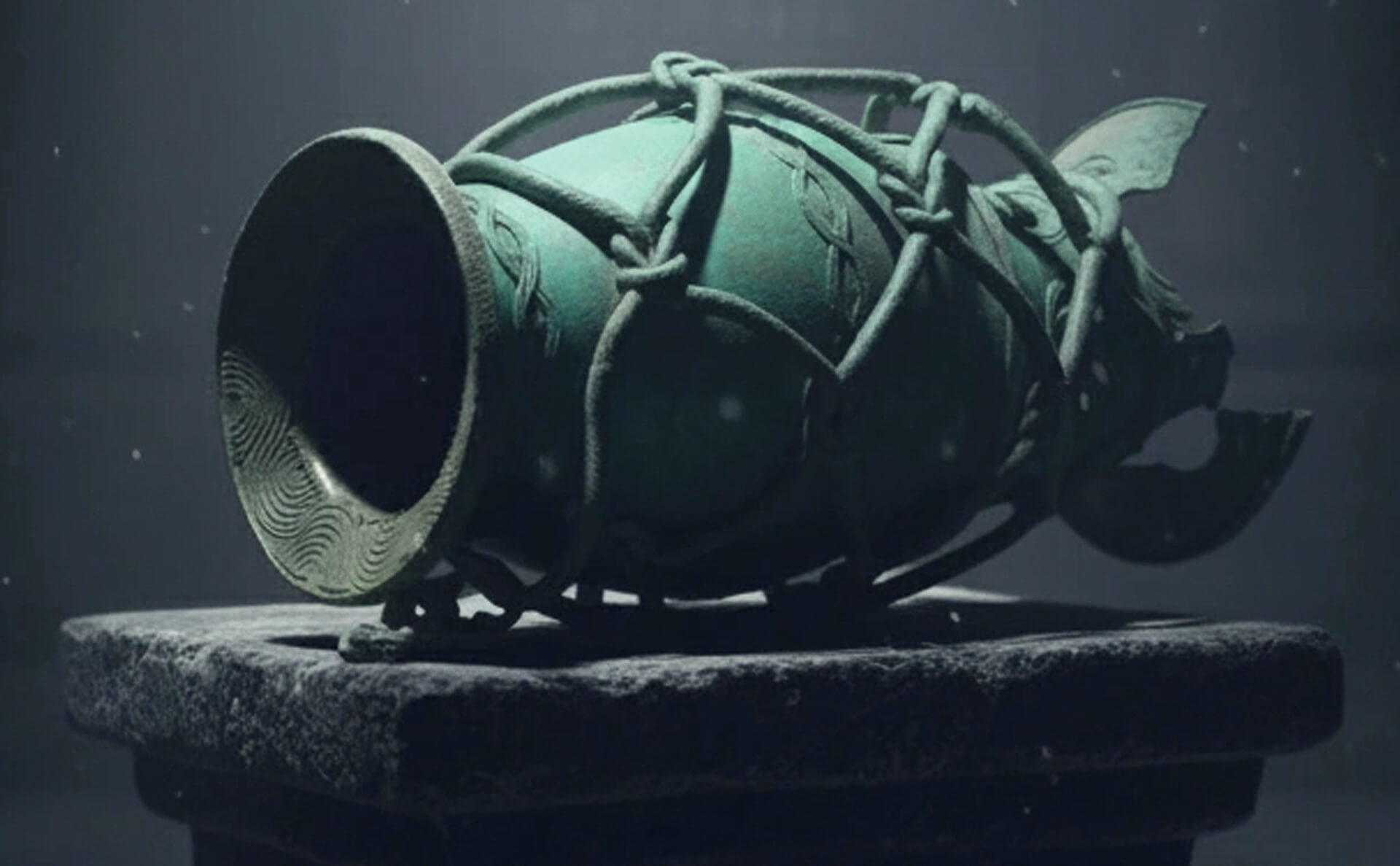
This landmark project takes its measure from the Dufuna Canoe, the world’s oldest known boat, scientifically dated to over 8,000 years ago. From that point, it traces a continuous line of creativity in the region now called Nigeria: from terracotta, ivory, and bronze to architecture, textiles, performance, and contemporary design.

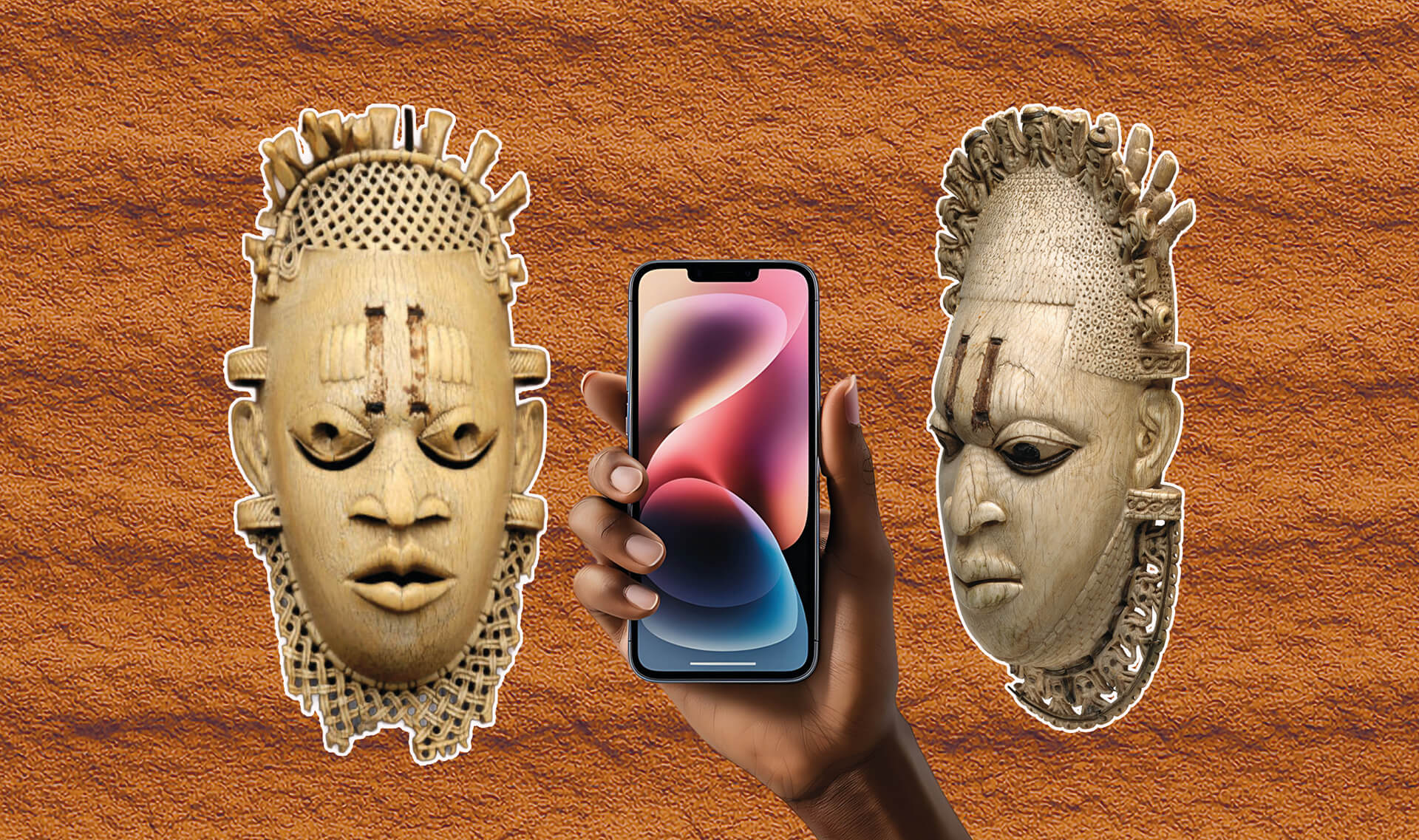
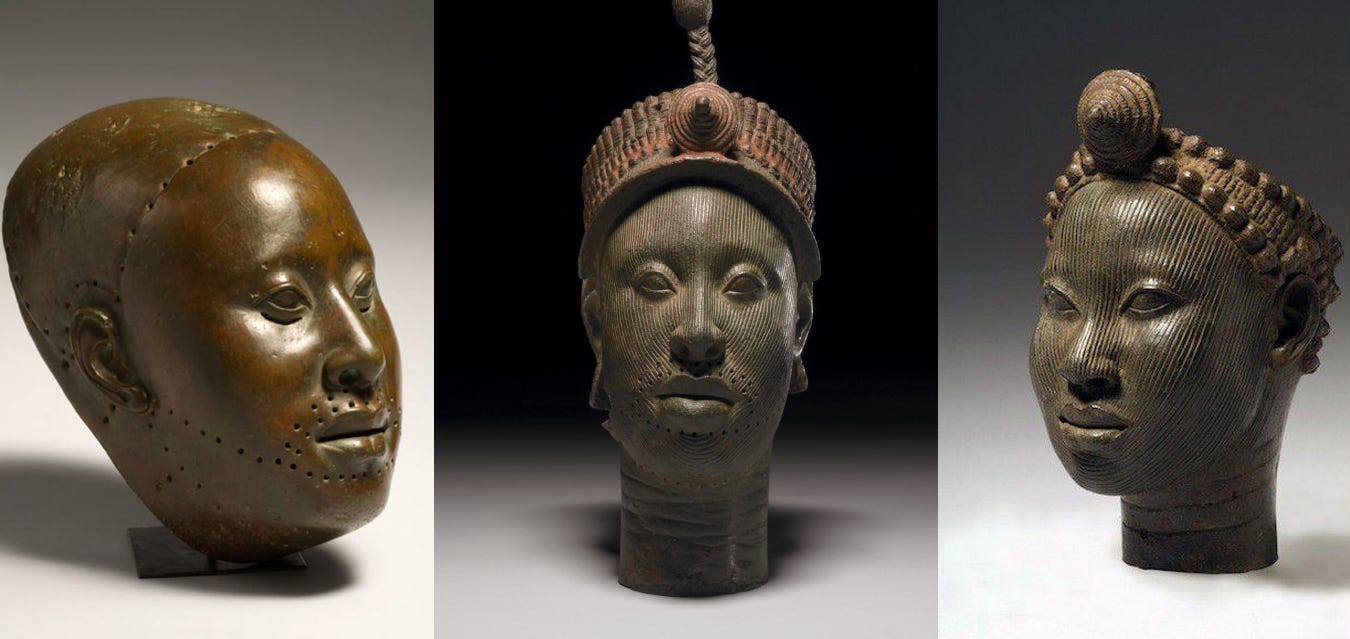
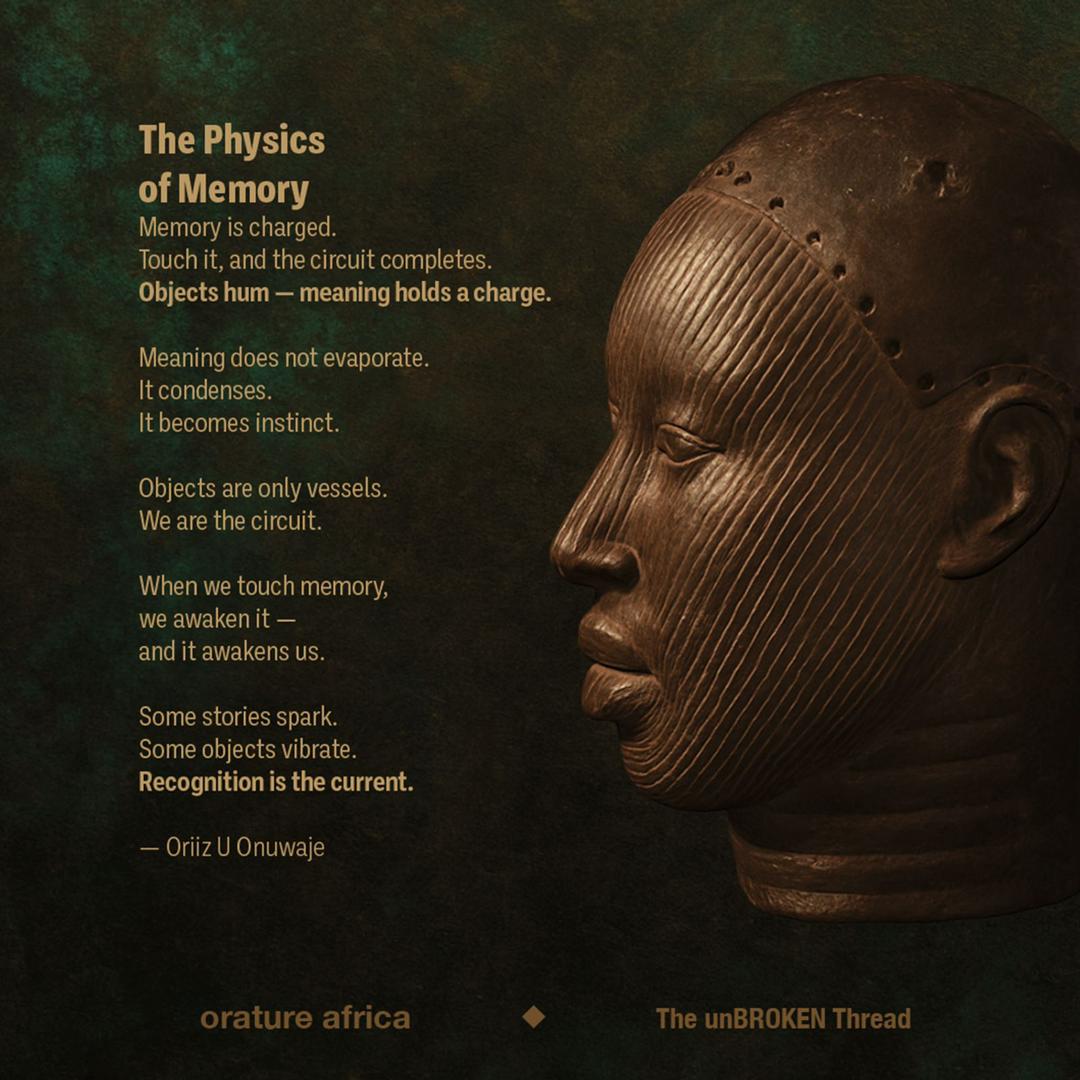
Presented as a monumental 750-page volume — with future adaptations into multiple formats — the work assembles, for the first time, the full spectrum of Nigeria’s traditions in Art and Culture: Nok terracottas, Igbo-Ukwu bronzes, the naturalism of Ife heads, the grandeur of Benin art, and the innovation of modern and contemporary artists.

This initiative builds on the success of The Benin Monarchy: An Anthology of Benin History (The Benin Red Book), created and edited by Oriiz U. Onuwaje, which brought together global scholars and leaders to reframe the story of one of Africa’s most important royal dynasties. That work, acclaimed by institutions and presented to international dignitaries, established a benchmark for scholarship and design. A Window into the Soul of a People extends this vision on a national scale, telling the larger story of Art in Nigeria.

More than a book, A Window into the Soul of a People is a platform. It positions Nigeria’s creativity at the centre of global heritage and innovation, demonstrating that art is not only aesthetic but also archive, memory, and identity. The project underscores Nigeria’s role as the most influential Black nation in the world, showing how Art in Nigeria have always shaped — and continue to shape — the global imagination.

Developed with leading scholars, curators, and institutions, this initiative seeks to preserve, reframe, and project Nigeria’s heritage for local and international audiences. It is conceived as a bridge: linking government, museums, collectors, and creative communities in Nigeria and abroad.

Ultimately, A Window into the Soul of a People is an invitation. An invitation to witness, to learn, and to partner in re-telling the story of Art in Nigeria — not as fragmented chapters, but as one unbroken thread of human ingenuity.

The Intersecting Worlds of Climate Change, the Mangrove and Art

About the Exhibition

Intersecting Worlds of Climate Change: the Mangroves and Art brings together visual art and environmental science to confront one of the most urgent questions of our time: how do we live with climate change and still protect the ecosystems that protect us? The exhibition focuses on the mangroves of the Niger Delta—nature’s silent sentinels, whose dense roots and branches shield coastlines from storm surges, store immense amounts of carbon, and sustain a rich web of life. Yet these same mangroves sit on the frontline of rising seas, pollution, and human pressure. Their story is both resilience and risk, echoing our own uncertain future.

At the heart of the project is a body of paintings by Dr John Edwin DeBebs, inspired by the beauty and fragility of the mangrove forests. His canvases translate the science, tension, and urgency of the Niger Delta into colour, form, and gesture—inviting viewers to see nature not as background, but as a central actor in the drama of climate change.

My Role in the Project

As Chief Curator at Crimson Fusion Curators and a photographer with over four decades behind the camera, I was invited to bring the mangroves into this dialogue through my own lens. For this exhibition, 36 of my photographs of the Niger Delta mangrove forests were shown alongside DeBebs’s paintings. Each image was paired with a short line of text—part poem, part echo—responding to the painter’s voice.

Together, the paintings and photographs form a double narrative: one rooted in brushstrokes and colour, the other in light, water, and the quiet geometry of roots. Curating this intersection of art, science, and activism is part of my ongoing work: using visual storytelling to turn distant data into something personal, visible, and hard to ignore.

Why Mangroves? Why Now?

Mangroves are natural infrastructure, climate guardians, and archives of time. They store carbon, slow waves, and hold coastlines in place, even as the climate crisis threatens to unmake them. This project treats climate change not just as a scientific or policy issue, but as a human story. The artworks ask viewers to sit with difficult questions about protection, vulnerability, and our collective responsibility.

Collaboration & Partners

This exhibition was made possible through a collaboration between the National Gallery of Art, Crimson Fusion Curators, and the National Council for Climate Change, with the support of the Oando (O&O) family and our scientific partners. Their trust created a space where art, environment, and climate science could speak to each other—and to the public—in a new way.

Malian Griots and Hip-Hop Storytelling

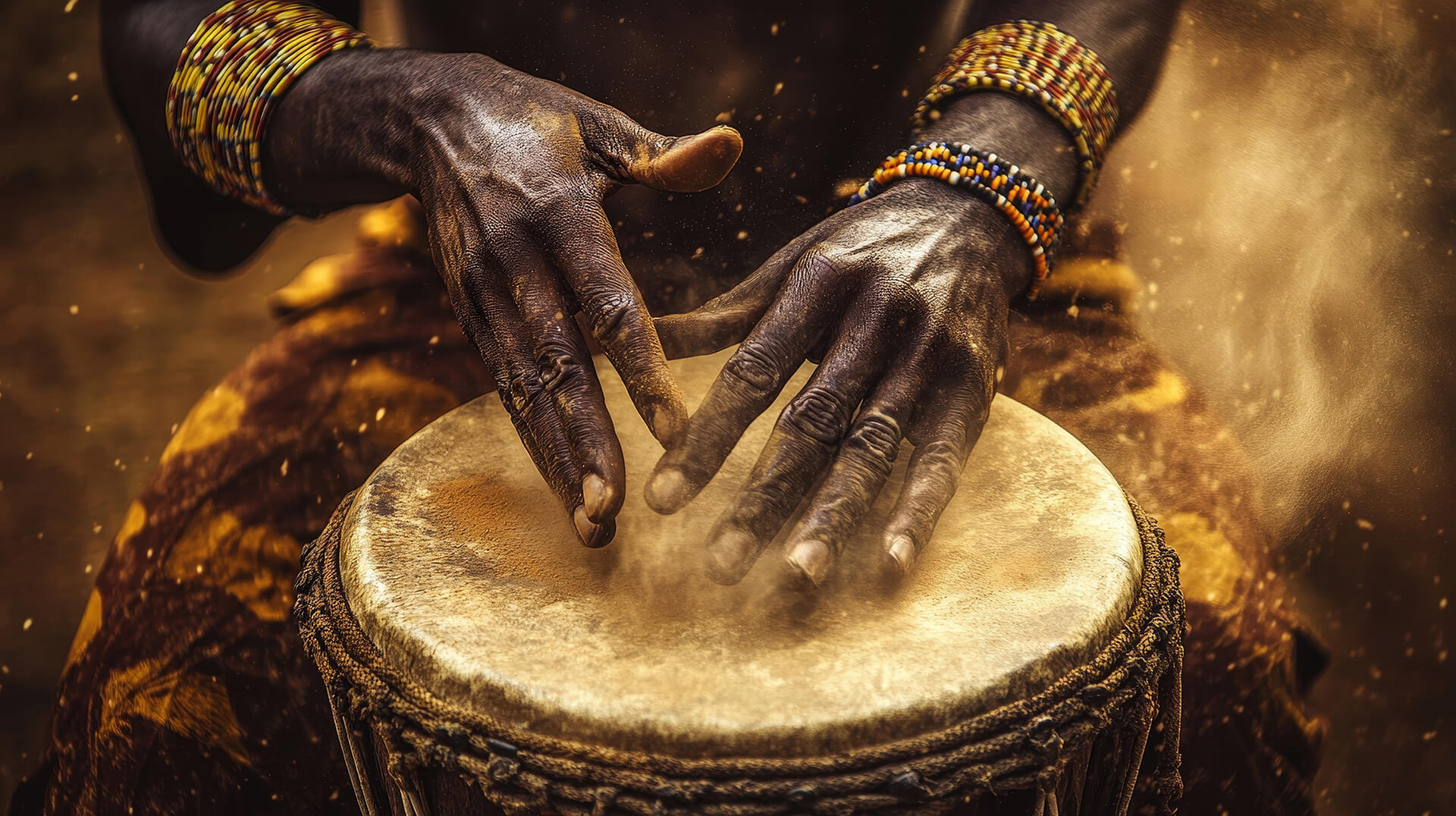
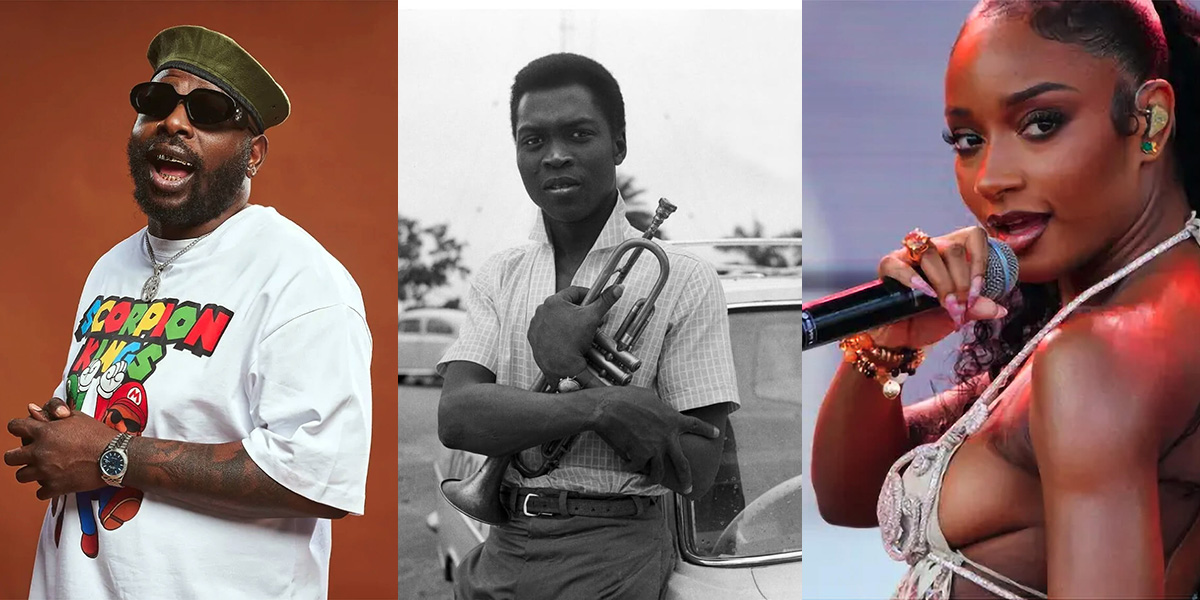
Form is never neutral. It is always charged with meaning. Imagine a griot in Mali, seated with a kora, his voice carrying genealogies of kings and the moral lessons of centuries. Now imagine a rapper in Ajegunle, Lagos, or in the Bronx, delivering verses that narrate survival, pride, and defiance. Separated by centuries and continents, both are united by purpose: to turn rhythm and language into living memory. Both griot and rapper are more than entertainers. They are custodians of identity, architects of memory, and interpreters of truth…

Read or download the full essay on orature.africa

The Benin Red Book

Overview

Heralded as the definitive opus on the Benin Kingdom, The Benin Monarchy: An Anthology of Benin History is a monumental work supervised by the eminent historian Professor Obaro Ikime, who also penned the Preface. The volume was edited by Oriiz U. Onuwaje with contributions from 26 scholars, anthropologists, and essayists.

Spanning over 500 pages across 18 chapters and 4 sub-chapters, the book traces the monarchy’s lineage from Oba Oranmiyan to Oba Ewuare II, weaving together tradition, history, and modernity. From the Warrior Kings of the Golden Age (1440–1897) to the resilience of Oba Eweka II and Oba Akenzua II, the narrative culminates in the reign of Oba Ewuare II, whose coronation rites blend ancient customs with modern realities.

Highlights

  • Created and edited by Oriiz U. Onuwaje
  • Comprises 18 chapters and 4 sub-chapters covering monarchy, culture, society, economy, religion, and art.
  • Includes pivotal chapters on the Warrior Kings and Frontier Conquest (1440–1897), Oba Ovonramwen and the 1897 invasion, and the modernising reigns of Oba Eweka II and Oba Akenzua II.
  • Features a chapter dedicated to Benin Royal Art — bronze plaques, commemorative heads, ivory works, and the mastery of lost-wax casting.
  • Celebrates the role of women through a chapter on Queen Mothers and Heroines, documenting traditions such as Okuku hairstyles and the Usukporhu.
  • Richly illustrated with photographs from the Oba’s collection, global museums, and private archives.
  • Substantial in scale: 300mm x 360mm, approximately 6.8kg.

Cultural Significance

The anthology challenges colonial narratives by re-examining Oba Ovonramwen N’Ogbaisi and the 1897 invasion, while celebrating Benin’s sophistication — from its advanced lost-wax casting guilds to the role of women in sustaining the monarchy. It is not merely a chronicle, but a living bridge between past and present, designed to stimulate deeper research into Benin’s history and identity.

Press Recognition

  • Newsweek: “One-of-a-kind Red Book chronicles the Benin Empire in proper perspective… a delight for the general-knowledge seeker and a vital resource for researchers.”
  • ThisDay Live: “A priceless compendium for the Benin Kingdom… a great book about a great people, a great kingdom.”
  • TheWill News: “A monumental book setting earlier historical accounts straight, retelling the history of the Benin people beyond the shores of Africa.”
  • MahoganyBooks: “A stunning and illuminating one-of-a-kind anthology of one of the world’s most ancient royal dynasties as told by its own people.”

Curator’s Note

“The Benin Red Book was conceived as a bridge — between the palace and the people, between history and identity. It affirms that our stories, when curated with care, can stand alongside the world’s great chronicles.”

— Oriiz U. Onuwaje