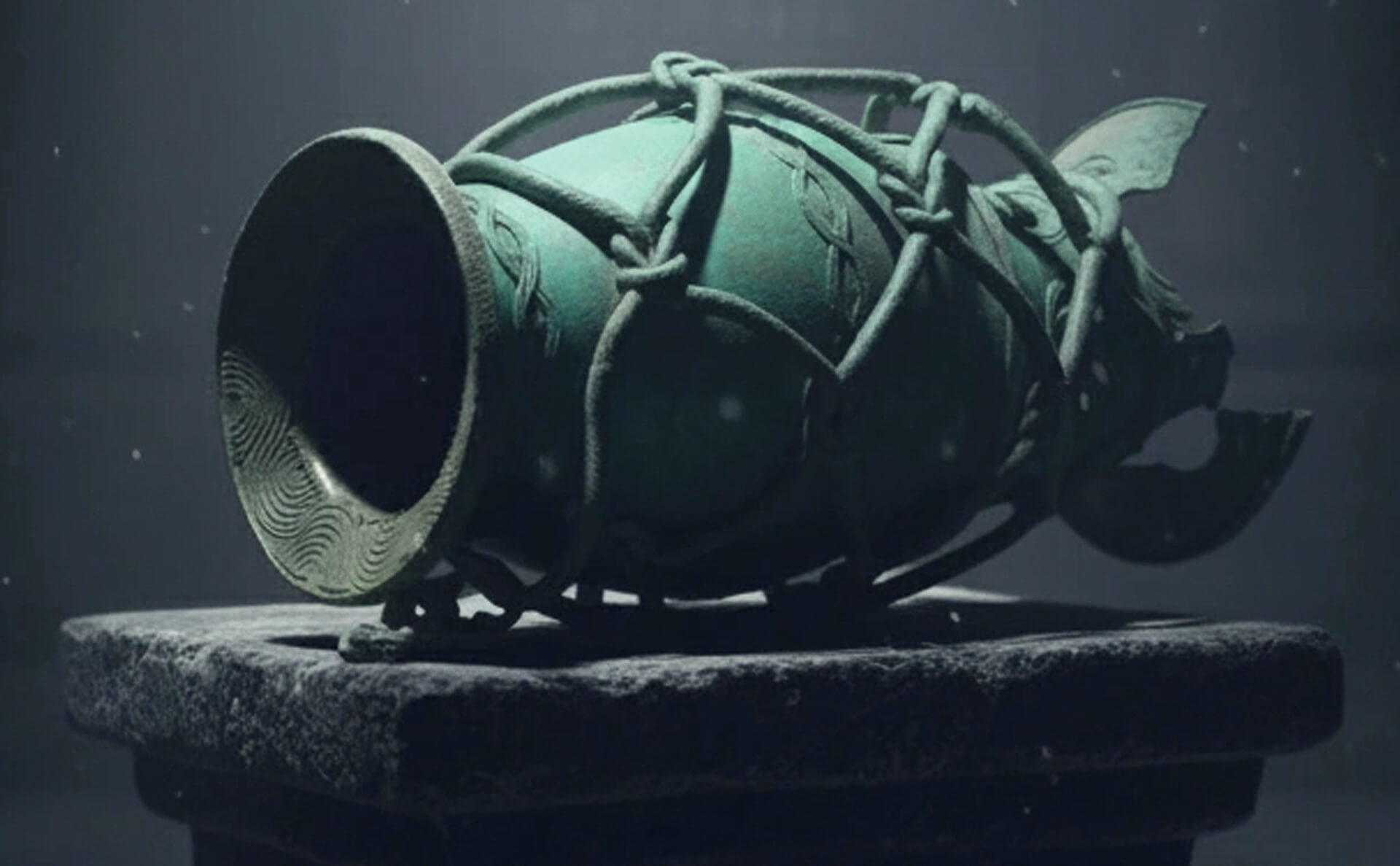
Igbo Ukwu Bronzes and Swiss Watches: Where Art Meets Engineering

Originally published on orature.africa

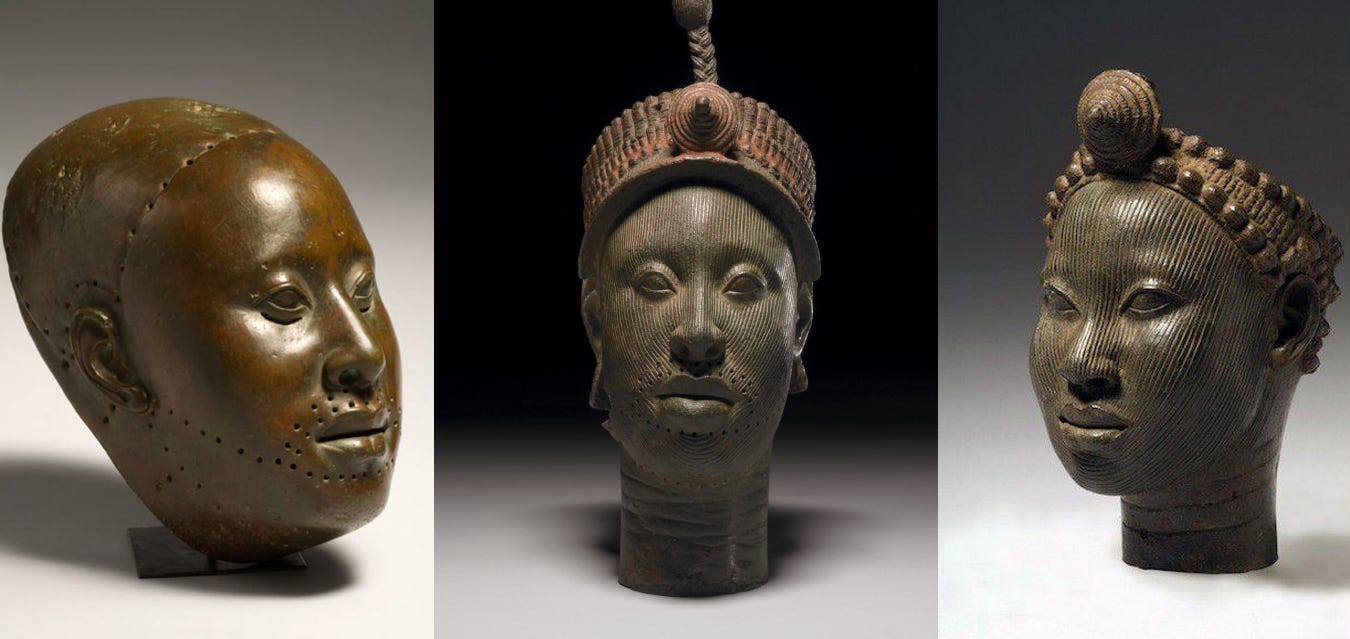
A new article explores the surprising connection between ninth-century Igbo Ukwu bronzes and modern Swiss watches. Though separated by over a thousand years, both reflect the powerful union of artistic vision and technical mastery.

The discovery of the Igbo Ukwu bronzes in Nigeria revealed objects of extraordinary complexity, created using advanced lost-wax casting techniques. Like fine watchmaking, these works demonstrate precision, innovation, and deep cultural meaning.

This essay highlights how human creativity has long combined art and engineering, showing that the drive for beauty, precision, and technical excellence transcends time and place.
Read or download the full essay on orature.africa

Before Computers: The Digital Logic of African Weaving

Originally published on orature.africa

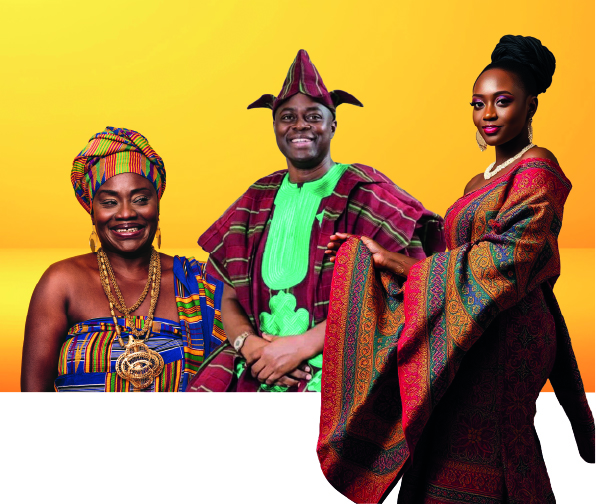
n this thought-provoking essay, Oriiz U. Onuwaje challenges the idea that technology began with silicon chips and screens. He reframes African strip-weaving traditions—such as Aso Oke, Akwete, and Kente—as early forms of computational design.

Long before modern computers, West African weavers mastered logic, repetition, grids, and binary-like choices on the loom. Each “over” and “under” movement functioned like source code, turning textiles into living algorithms that carried identity, memory, and meaning. The article reveals how weaving was not merely decorative craft, but a sophisticated system of information storage and communication—centuries before the digital age.

Read or download the full essay on orature.africa

From Ivory to Silicon: How Design Carries Power

Originally published on orature.africa

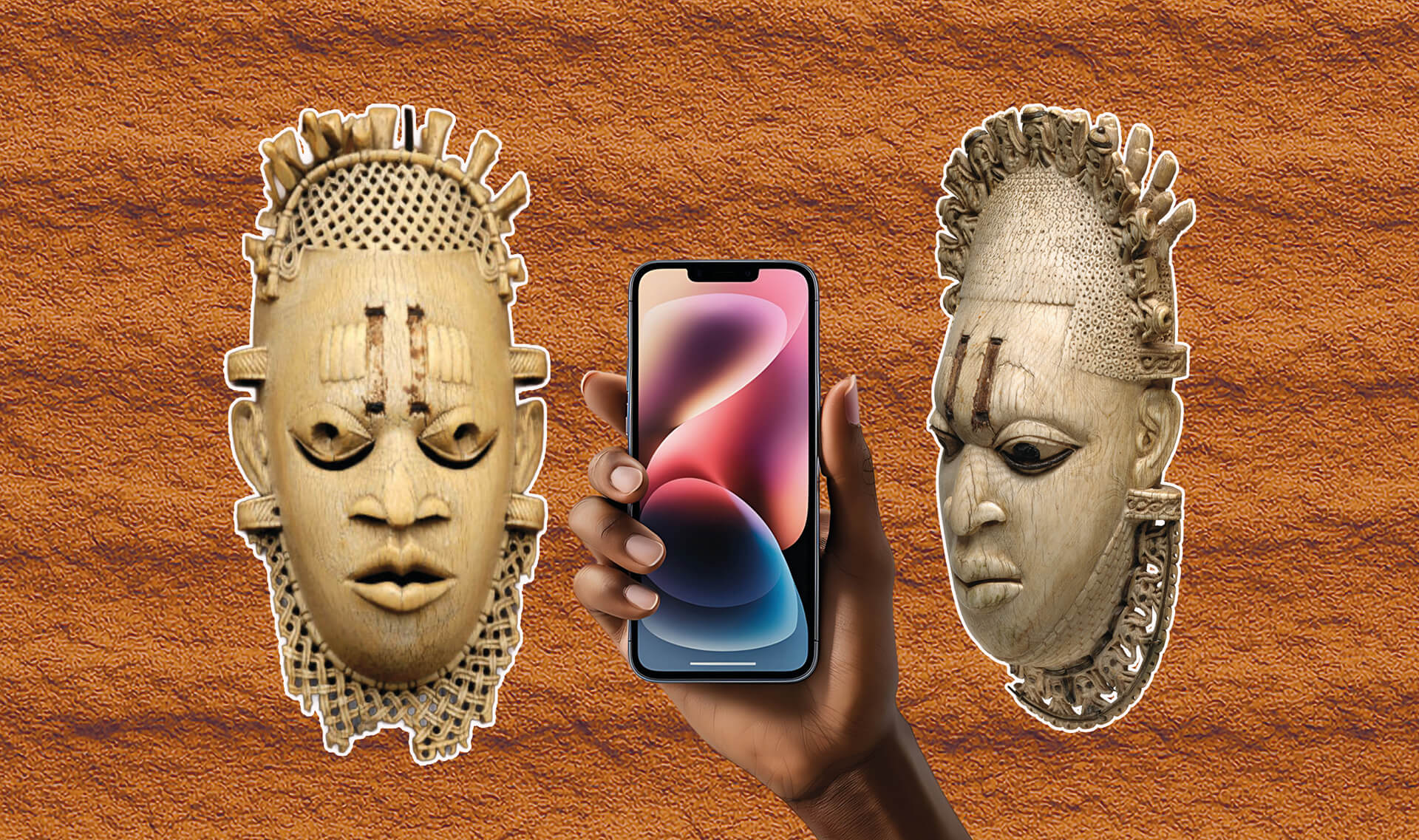
In this article, Oriiz U. Onuwaje argues that design has always been more than decoration—it is a technology of power, memory, and identity. From the royal ivory of sixteenth-century Benin to today’s glass and silicon, designers have shaped materials to make authority visible, organise meaning, and connect past to present.

Focusing on the iconic Queen Idia ivory masks of the Benin Kingdom, the piece reveals how these objects were not merely ceremonial but deeply embedded in governance and political strategy. Five centuries later, the same design intelligence still guides modern innovation, proving that time changes materials, but not the thinking behind them.

Read or download the full essay on orature.africa

How African Societies Engineered Memory

Originally published on orature.africa

In this piece, Oriiz U. Onuwaje explores how African societies intentionally embedded memory into their material world. What we now call “art” was originally a practical system for preserving history, legitimising authority, and maintaining identity.

Through bronze, ivory, and wood, communities transformed memory into something durable and visible—woven into governance, ritual, and daily life. Carving and casting were not just aesthetic acts but forms of record-keeping, ensuring continuity across generations and making history something that could be seen, touched, and lived.

Read or download the full essay on orature.africa

When Rhythm Becomes Record: Dance as Africa’s Living Archive

Originally published on orature.africa

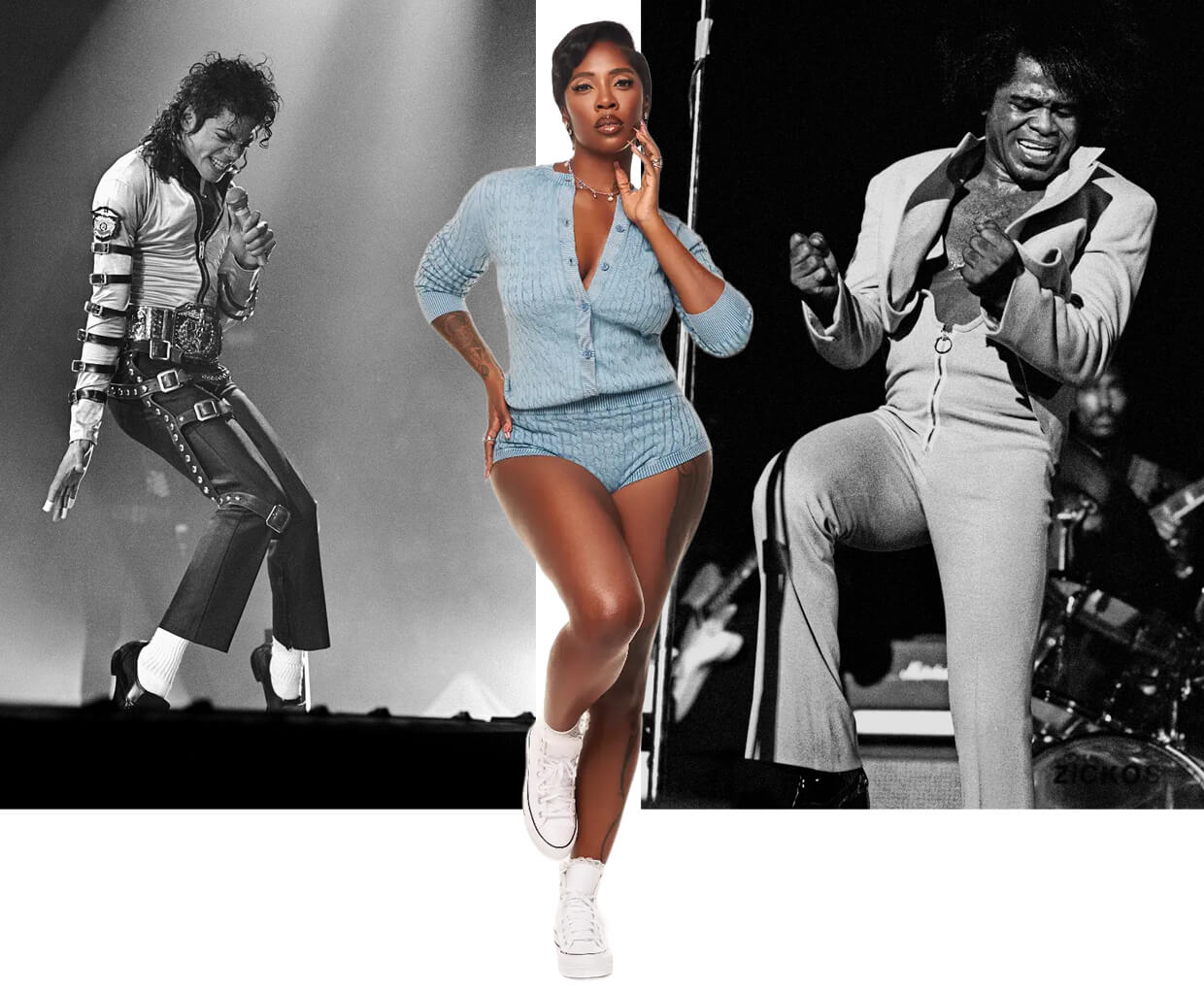
In this essay, Oriiz U. Onuwaje explores rhythm as evidence of history rather than entertainment. Long before museums, libraries, or written records, African societies preserved memory through repeated movement, sound, and pattern. Dance and rhythm carried identity, order, and intelligence—kept alive not in buildings, but in bodies.

As African rhythms now resonate globally, the article reframes dance as a living archive: a system of memory that endured displacement, silence, and change. What the world hears today is not a trend, but tradition still in motion.

Read or download the full essay on orature.africa

African Sound as a Living Archive

By Oriiz U Onuwaje
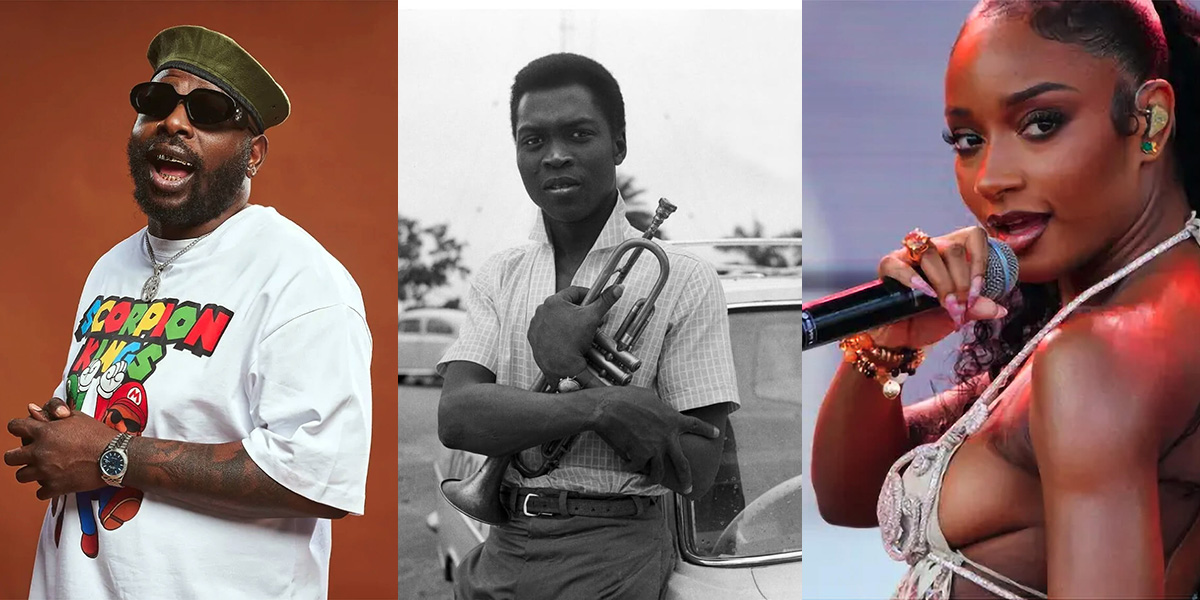
Oriiz writes that our sound is a tool for ‘community connection’ that endured silence to become a global roar. When you hear @temsbaby’s soul or @ayrastarr’s confidence, you are hearing centuries of resilience repackaged for the future.

Introduction: The Architecture of Memory

Sound is Africa’s most enduring archive. While written histories can be burned, altered, colonised, or lost in the fires of conquest, sound, vibration, rhythm, and oral tradition remain etched in a people’s collective memory. It is a “spiritual conduit,” a way of saying “I am here” when the world tries to render you invisible.

Read or download the full essay on orature.africa

Ifè Portraits and Artificial Intelligence

What does it mean to capture the likeness of a soul, whether using sacred earth or lines of code?

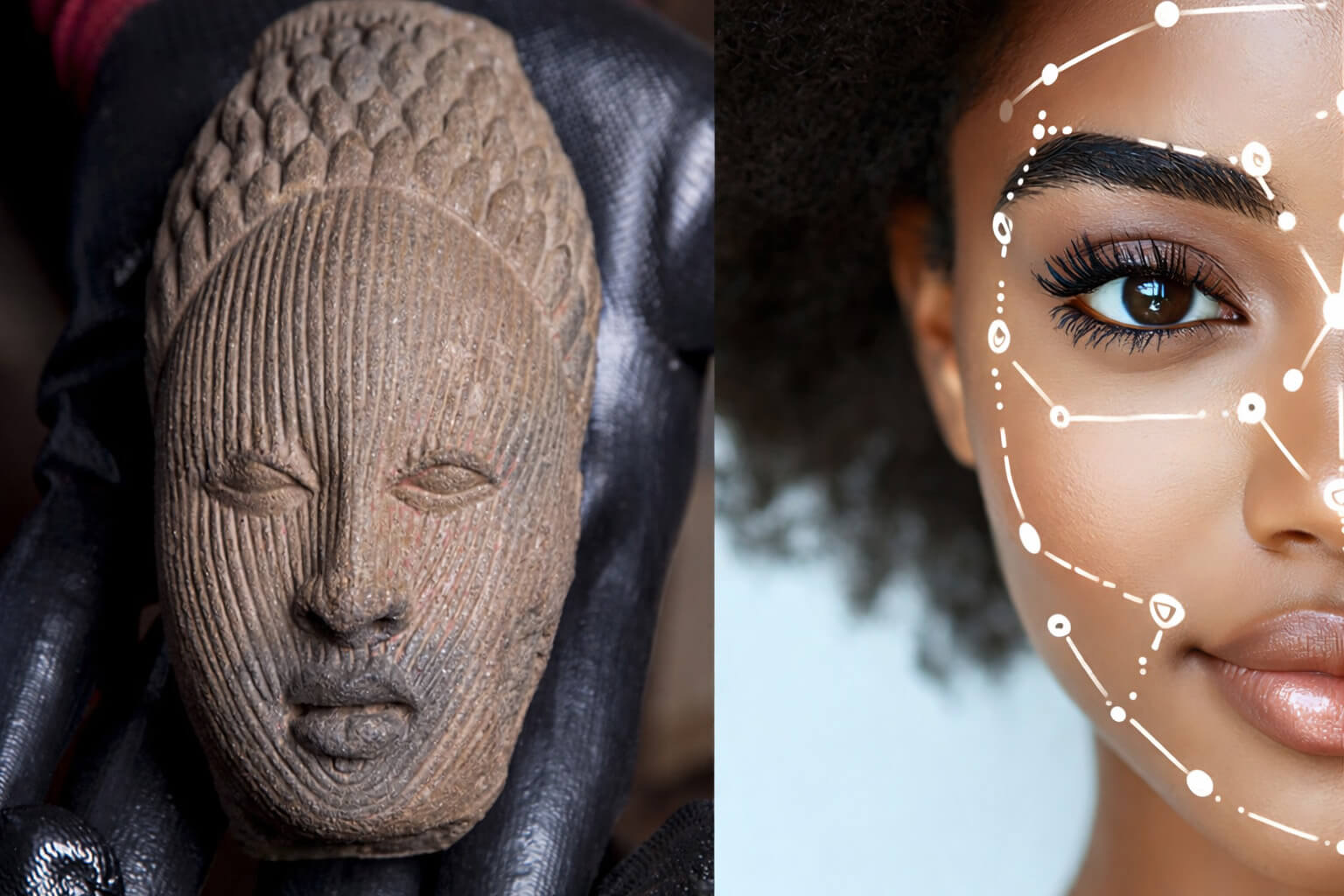
Oriiz looks at how capturing likeness has always been a political act, from the ritual workshops of ancient Ifẹ to today’s AI systems that shape our identities.

Form is never neutral. A thousand years ago in Ifẹ — Nigeria, artists sculpted faces in bronze and terracotta with such skill that early European visitors doubted Africans could have made them. These works were more than just effigies; they declared existence. They showed that identity could be portrayed with dignity, accuracy, and real presence. The artists captured not only the shape of a face, but also the essence of a person…

Read or download the full essay on orature.africa